Superfoods for Blood Sugar: Managing diabetes or insulin resistance is not just about cutting sugar—it’s about making smarter, more balanced food choices every single day. What you eat consistently has a powerful impact on how your body processes glucose, responds to insulin, and maintains overall metabolic health. While medication and physical activity play key roles, nutrition remains the foundation of long-term blood sugar control.
In recent years, growing scientific evidence has highlighted the role of certain nutrient-dense foods—often called superfoods—in improving insulin sensitivity and preventing sharp glucose spikes. These foods work by slowing carbohydrate digestion, improving gut health, reducing oxidative stress, and supporting hormonal balance related to glucose metabolism.
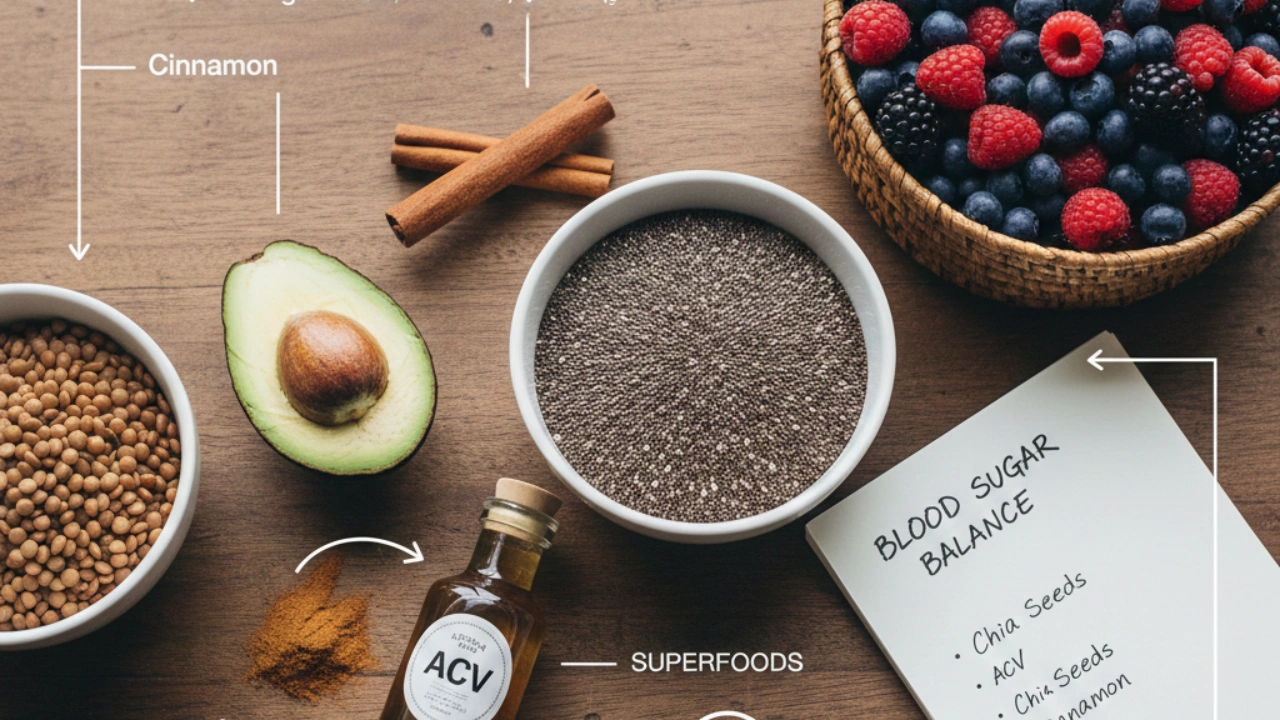
Dr Kunal Sood, an anaesthesiologist and interventional pain medicine physician, recently shared insights on six such superfoods in an Instagram video posted on November 28. According to him, incorporating foods like berries, avocados, lentils, apple cider vinegar, cinnamon, and chia seeds into daily meals can meaningfully support better blood sugar balance over time. Below is a detailed look at how each of these superfoods contributes to healthier glucose regulation.
Cinnamon: A Natural Aid for Insulin Sensitivity
Cinnamon has long been used in traditional medicine, but modern research now supports its role in glucose control. Dr Sood explains that cinnamon helps improve insulin sensitivity by enhancing the body’s ability to transport glucose into cells. It also slows the breakdown of carbohydrates in the digestive system, reducing sudden post-meal sugar spikes.
Scientific meta-analyses have shown significant reductions in fasting blood glucose and HbA1c levels among people who regularly consume cinnamon. Some clinical trials have reported reductions of 18–29 percent in fasting glucose levels at higher doses. Additionally, cinnamon may reduce inflammation and oxidative stress—two factors closely linked with insulin resistance.
Adding cinnamon to oatmeal, smoothies, tea, or even savoury dishes is a simple way to include it in your daily diet.
Also read: 5 Healthy, Roasted Snacks for Weight Loss
Avocados: Healthy Fats for Better Glucose Control
Avocados are often described as a nutritional powerhouse, and for good reason. They are low in digestible carbohydrates while being rich in dietary fibre and heart-healthy monounsaturated fats. This combination makes them particularly beneficial for people aiming to stabilise blood sugar.
Dr Sood notes that avocados contain bioactive compounds that help reduce oxidative stress and positively influence metabolic pathways related to insulin function. Research suggests that higher avocado intake is associated with lower fasting glucose levels and improved insulin sensitivity.
Because avocados slow digestion and promote satiety, they also help prevent overeating and sudden glucose fluctuations. Including avocado in salads, sandwiches, or as a spread can be both delicious and metabolically beneficial.
Lentils: Slow-Digesting Carbs That Support Insulin Health
Unlike refined carbohydrates, lentils are rich in slowly digestible starches, resistant starch, and various types of fibre. These nutrients work together to produce a slower, more controlled rise in blood glucose after meals.
Dr Sood explains that replacing refined carbs like white rice or bread with lentils can significantly reduce post-meal glucose and insulin responses. Clinical trials have also shown improvements in hepatic insulin resistance—meaning the liver becomes better at regulating glucose production.
Lentils are also an excellent source of plant-based protein, which further contributes to satiety and blood sugar stability. Regular consumption can support both metabolic and cardiovascular health.
Apple Cider Vinegar: Supporting Glucose Balance Naturally
Apple cider vinegar (ACV) has gained popularity for its potential role in weight management and blood sugar control. According to Dr Sood, the acetic acid in ACV slows gastric emptying, meaning food moves more slowly from the stomach to the intestines. This results in slower carbohydrate digestion and reduced glucose spikes.
Randomised controlled trials have shown that daily consumption of apple cider vinegar over several weeks can lead to improvements in fasting glucose and HbA1c levels in people with type 2 diabetes. ACV may also enhance insulin sensitivity and improve feelings of fullness, which can help with portion control.
ACV is typically consumed diluted in water or added to salad dressings, but it should always be used cautiously to protect dental and digestive health.
Berries: Small Fruits with Big Metabolic Benefits
Berries such as blueberries, strawberries, and raspberries are packed with antioxidants, particularly anthocyanins, along with soluble fibre. These compounds play a significant role in slowing carbohydrate absorption and inhibiting digestive enzymes responsible for breaking down sugars.
Dr Sood highlights that berries help improve post-meal glucose and insulin responses, especially in insulin-resistant individuals. Reviews and observational studies consistently link berry consumption with better glycaemic control and reduced inflammation.
Their naturally low glycaemic index makes berries an ideal fruit choice for people managing diabetes. They can be enjoyed fresh, frozen, or added to yoghurt, smoothies, or salads.
Chia Seeds: Fibre-Rich Seeds for Smoother Glucose Response
Chia seeds are another superfood known for their impressive fibre content. When soaked or mixed with liquid, chia seeds form a gel-like consistency that slows digestion and carbohydrate absorption.
Dr Sood explains that this gel formation leads to smoother post-meal glucose responses and prolonged satiety. Chia seeds are also rich in omega-3 fatty acids and essential minerals, which support overall metabolic health.
Although large-scale human studies are still limited, existing data show that adding chia seeds to meals results in smaller glucose spikes compared to meals without them. They can be easily incorporated into puddings, smoothies, or sprinkled over meals.
The Bigger Picture: Consistency Matters
While no single food can cure diabetes, consistently including these superfoods in a balanced diet can significantly support blood sugar control and insulin sensitivity. Combined with regular physical activity, adequate sleep, and medical guidance, these dietary choices can help reduce long-term complications and improve overall quality of life.
As Dr Sood emphasises, small, sustainable changes in everyday eating habits can lead to meaningful improvements in metabolic health over time.