
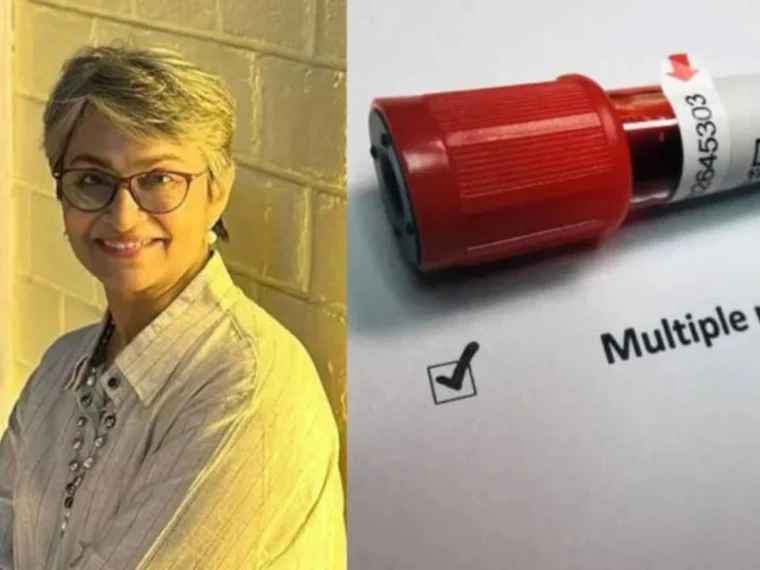
Veteran television and film actress Pravina Deshpande has passed away in Mumbai after a prolonged battle with multiple myeloma, a form of blood cancer. She was 60. Known for her memorable roles in popular television serials such as Ghar Ek Mandir and Kumkum, as well as films like Jalebi and Ready, Pravina had been undergoing treatment since 2019.
Her passing has left the entertainment industry and her fans in deep sorrow. Over the years, Pravina had spoken openly about her health struggles, offering insight into the early warning signs and the emotional toll of fighting cancer.
View this post on Instagram
Early Symptoms and Diagnosis
In a previous interview, Pravina revealed that her health concerns began with minor skin eruptions that gradually spread. At first, the symptoms did not appear alarming. However, as the condition worsened, medical investigations eventually led to the diagnosis of multiple myeloma.
In 2022, after completing her initial round of treatment, she experienced severe back pain while performing in a play. The pain served as a major warning sign that the disease required renewed medical attention. She later underwent chemotherapy and a bone marrow transplant. Despite the physical and emotional challenges, Pravina often credited her husband, Aniruddh, and her family for being her pillars of strength throughout the difficult journey.
What Is Multiple Myeloma?
Multiple myeloma is a cancer that affects plasma cells — a type of white blood cell found in bone marrow. Under normal circumstances, plasma cells help the body fight infections by producing antibodies. However, in multiple myeloma, abnormal plasma cells grow uncontrollably and accumulate in the bone marrow.
These cancerous cells can form tumors in various bones, leading to complications such as bone pain, fractures, kidney damage, fatigue, anemia, and frequent infections. According to medical experts, including information shared by the Cleveland Clinic, multiple myeloma is not currently curable. However, treatment can help manage symptoms, slow disease progression, and improve quality of life.
Causes and Risk Factors
Doctors are not entirely certain what triggers multiple myeloma. It is believed to result from genetic mutations that occur in plasma cells over a person’s lifetime. These mutations cause the cells to multiply abnormally and resist normal cell death.
Researchers continue to study the exact mechanisms behind these mutations and how they influence the severity of the disease. Certain risk factors have been identified:
-
Age: Most cases are diagnosed in people between 40 and 70 years old, with a median age of 69.
-
Gender: The disease is slightly more common in men than women.
-
Race: Studies show higher incidence rates among Black individuals compared to other racial groups.
-
Family History: Though rare, having a close relative with multiple myeloma may increase risk, although the condition itself is not directly hereditary.
-
Environmental Exposure: Exposure to chemicals such as pesticides, fertilizers, or Agent Orange may contribute to risk.
-
Obesity: Being overweight or obese is also considered a significant risk factor.
Warning Signs and Symptoms
One of the earliest and most common symptoms of multiple myeloma is persistent bone pain, particularly in the back, chest, pelvis, or upper legs. In some cases, pain in the skull may also occur.
Other symptoms include:
-
Persistent fatigue and weakness due to anemia
-
Frequent infections caused by reduced immunity
-
Numbness or tingling in arms and legs
-
Unexplained weight loss
-
Nausea and vomiting
-
Kidney-related complications
Because these symptoms can be mistaken for other conditions, early diagnosis can be challenging. Doctors often rely on blood tests, imaging scans, and bone marrow examinations to confirm the disease.
A Courageous Fight
Throughout her battle, Pravina Deshpande remained resilient and continued working when her health permitted. She openly discussed her struggles, helping raise awareness about multiple myeloma and its warning signs.
Her passing highlights the importance of recognizing persistent symptoms and seeking timely medical advice. While treatments such as chemotherapy, targeted therapy, and bone marrow transplants have improved survival rates, early detection remains key.
Pravina’s legacy lives on through her body of work and the courage she displayed during her illness. Her journey has also shed light on a lesser-discussed form of cancer, encouraging greater awareness about multiple myeloma and its impact.