
Taliban criminal code: Afghanistan’s ruling authorities under the Taliban have introduced a new 90-page criminal code that, according to reports, formally permits husbands to physically discipline their wives, provided the violence does not result in severe or visible injuries such as broken bones.
The document, titled De Mahakumu Jazaai Osulnama, was signed by the Taliban’s supreme leader Hibatullah Akhundzada and has been distributed to courts across Afghanistan. As first reported by The Independent, the code outlines punishments rooted in the group’s interpretation of Islamic jurisprudence and introduces clear distinctions in how penalties are applied based on social status.
Different Standards for Husbands and Wives
Under the newly issued code, husbands are reportedly granted the authority to carry out discretionary physical punishment, described within the framework of ta’zir — a category of punishment in Islamic law typically applied to lesser offences at a judge’s discretion. The provisions also extend similar disciplinary rights to individuals described as “masters” over subordinates.
While women who experience serious assault are technically permitted to seek legal recourse, the process is described as highly restrictive. A woman must present evidence of injury before a judge while remaining fully covered and must be accompanied by a male guardian, or mahram. In many cases, this guardian may be the same husband accused of abuse.
Even when serious harm is proven, the reported maximum penalty for a husband is 15 days in prison. Critics argue that such provisions significantly limit accountability and create barriers for women seeking justice.
Hierarchy in Punishment
The code also reportedly establishes a tiered system of punishment based on social classification. At the top of the hierarchy are religious scholars, or Ulama, who may receive only advice in cases of wrongdoing. Members of the elite class, referred to as Ashraf, face no more than advice or a court summons.
Individuals from the middle class may face imprisonment for offences, while those considered lower class can be subject to both prison time and corporal punishment. In cases involving corporal penalties, the punishments are to be administered by Islamic clerics rather than conventional prison authorities.
Observers say this stratified approach marks a formal codification of unequal treatment under the legal system, reinforcing divisions tied to social and religious standing.
Climate of Fear and Restricted Debate
Reports indicate that many Afghans are hesitant to publicly discuss or criticise the new legal code. Even anonymous commentary has reportedly diminished due to concerns about retaliation. Following online discussions and criticism from activists abroad, authorities are said to have issued an additional directive making public debate about the code itself a punishable offence.
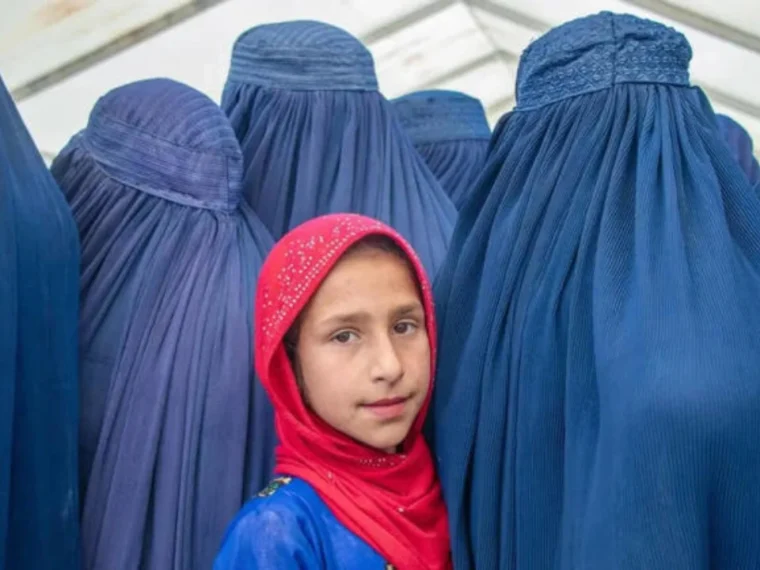
The introduction of this criminal code comes amid broader restrictions on women’s rights since the Taliban returned to power in 2021. Over the past several years, Afghan women and girls have faced limitations on access to secondary and higher education, employment opportunities, and participation in public life.
International human rights organisations have described the legal changes as a significant setback for gender equality and due process. Critics argue that the framework institutionalises discrimination and weakens protections for women experiencing domestic violence.
The Taliban leadership has not issued a detailed public response addressing the criticism surrounding the new code.