Iran Student Protests: Fresh student-led demonstrations have erupted across Iran, just weeks after authorities forcefully suppressed a wave of anti-government protests that had shaken the country. On Saturday, university campuses once again became the epicentre of unrest, with students raising slogans against the clerical establishment and clashing with security forces.
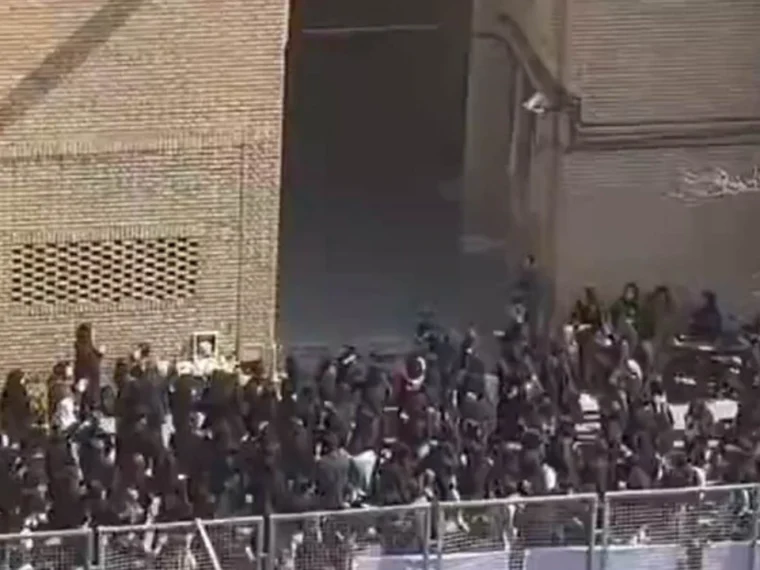
Large gatherings were reported at prominent institutions in Tehran, including Sharif University of Technology, where videos circulating online showed crowds chanting anti-regime slogans. Witnesses claimed protesters shouted phrases such as “bi sharaf” — meaning “disgraceful” in Farsi — as tensions escalated. Footage shared by Iran International captured scenes of confrontations in packed campus areas.
According to reports, paramilitary units linked to the Islamic Revolutionary Guard Corps (IRGC) were deployed to disperse demonstrators. Iran’s semi-official Fars News Agency later confirmed that several individuals were injured during scuffles at university grounds.
THREAD: Verified videos of anti-government protests in Iran on 21 February
Protests broke out today at Sharif University of Technology in Tehran, with students chanting slogans against the supreme leader.
Video: @SharifiZarchi
Location: https://t.co/7O3kAnsb5y@GeoConfirmed pic.twitter.com/9SArLwfbOp
— Shayan Sardarizadeh (@Shayan86) February 21, 2026
Protests Spread Beyond Tehran
The demonstrations were not limited to one campus. Videos released by rights groups indicated similar protests at Beheshti University, Amir Kabir University in Tehran, and Mashhad University in northeastern Iran. In the western town of Abdanan — long considered a hotspot for dissent — protesters reportedly chanted “Death to Khamenei” and “Death to the dictator” following the arrest of an activist teacher. Rights organizations, including Hengaw Organization for Human Rights, reported the developments via social media updates.
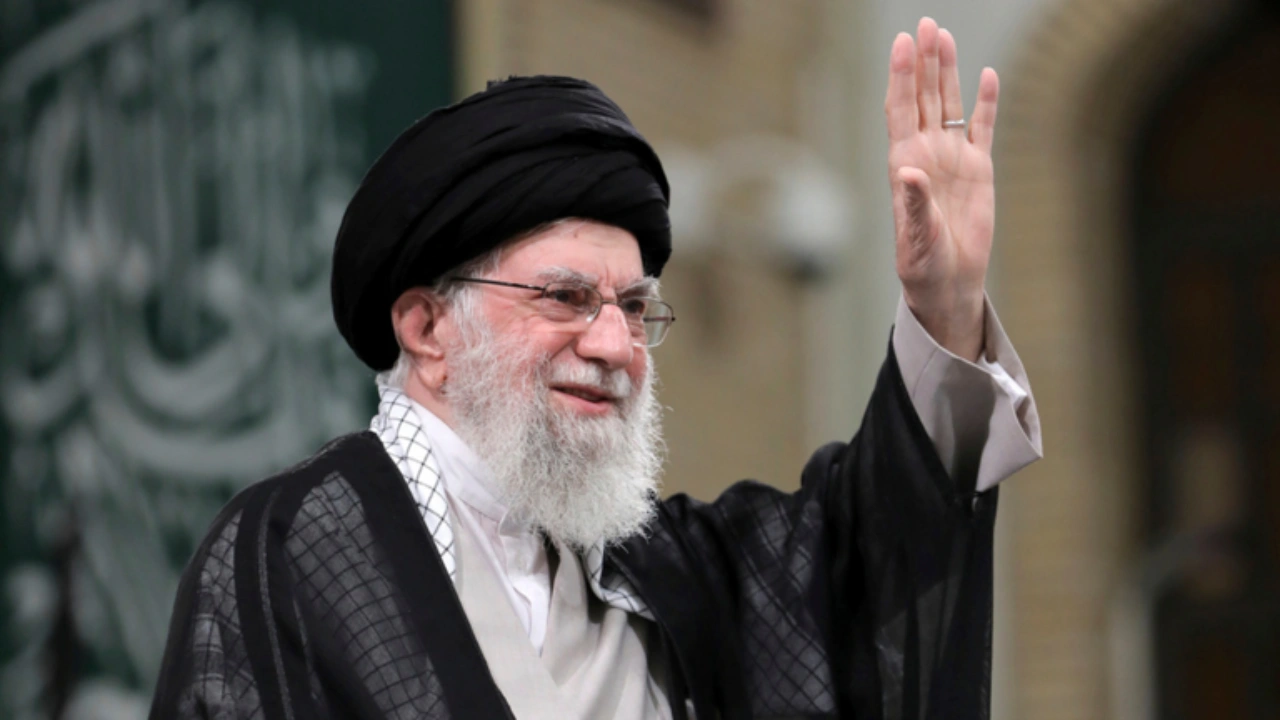
Some footage allegedly showed marchers denouncing Supreme Leader Ali Khamenei as a “murderous leader.” In certain videos, demonstrators were also heard calling for Reza Pahlavi, the son of Iran’s former shah, to return as a monarch — reflecting the depth of frustration among segments of the protest movement.
Background of the Unrest
The latest protests come after a broader anti-government movement that began in December, initially sparked by economic hardship and prolonged financial strain. What started as demonstrations over rising prices and unemployment soon evolved into widespread political dissent, directly challenging Iran’s leadership.
Authorities responded with a severe crackdown. Official figures from Tehran claim that more than 3,000 people died during the unrest, attributing much of the violence to what they described as “terrorist acts” orchestrated by foreign adversaries. However, the US-based Human Rights Activists News Agency (HRANA) has estimated that over 7,000 people may have been killed, most of them protesters, though independent verification remains difficult.
Iranian officials initially acknowledged economic grievances but later accused rivals such as the United States and Israel of inciting instability. The protests have further strained relations between Tehran and Washington.
Rising Tensions with the United States
Amid the unrest, former US President Donald Trump had previously threatened military action, although the focus later shifted to concerns over Iran’s nuclear programme. Western governments continue to express fears that Tehran’s nuclear activities could be aimed at developing weapons capability — an allegation Iran denies.
In recent weeks, indirect talks between Iran and the US resumed with mediation from Oman. At the same time, Washington has increased its military presence in the region, deploying aircraft carriers and additional assets as part of its strategic posture.
The renewed student protests highlight persistent tensions within Iran, particularly among younger generations. As demonstrations resurface across university campuses, the country faces another test of stability amid economic strain and complex international negotiations.