
When Kristen Fischer relocated from the United States to India with her four daughters, she never imagined the move would redefine her understanding of childhood. What began as a family transition soon turned into a deeply personal revelation—one that she now shares openly online. According to Fischer, raising children in India has given her daughters a sense of freedom, belonging, and emotional richness that she struggled to find back home in the US.
Kristen, an American mother living in India, frequently reflects on the contrast between parenting in the two countries. Over time, she has come to believe that India allows children to simply be children—loud, playful, curious, and imperfect—without the pressure to grow up too fast. She says the environment feels far more forgiving, where scraped knees, messy clothes, and spontaneous play are not frowned upon but accepted as part of growing up.
One of the most striking differences for her is the way children are treated socially. In India, her daughters are constantly surrounded by people—neighbors, shopkeepers, classmates, extended families, and even strangers—who engage with them warmly. Small gestures of affection, casual conversations, smiles, and occasional treats are part of daily life. Fischer says this constant human interaction ensures her children never feel isolated or invisible.
Food and lifestyle also play a major role in her preference. She believes her daughters benefit from India’s diverse and largely home-cooked meals, rich in vegetables, grains, spices, and traditional recipes. Beyond nutrition, she values how Indian culture encourages outdoor play and physical exploration. In her view, children who run barefoot, touch the earth, and play freely develop stronger immunity and resilience than those raised in overly sanitized environments.
Cultural exposure is another aspect Fischer deeply appreciates. Her daughters celebrate festivals like Holi and Diwali not as outsiders, but as participants woven into everyday life. The colors, rituals, music, and shared joy have become core childhood memories for them. She feels these experiences offer emotional depth and cultural awareness that textbooks alone cannot provide.
Education, too, has exceeded her expectations. Fischer notes that her children attend a school that maintains academic rigor while placing equal importance on creative and physical development. Alongside traditional subjects, her daughters are exposed to dance, music, theatre, art, and computer studies. The presence of a gymnastics center within walking distance further supports their physical well-being, something she finds both convenient and enriching.
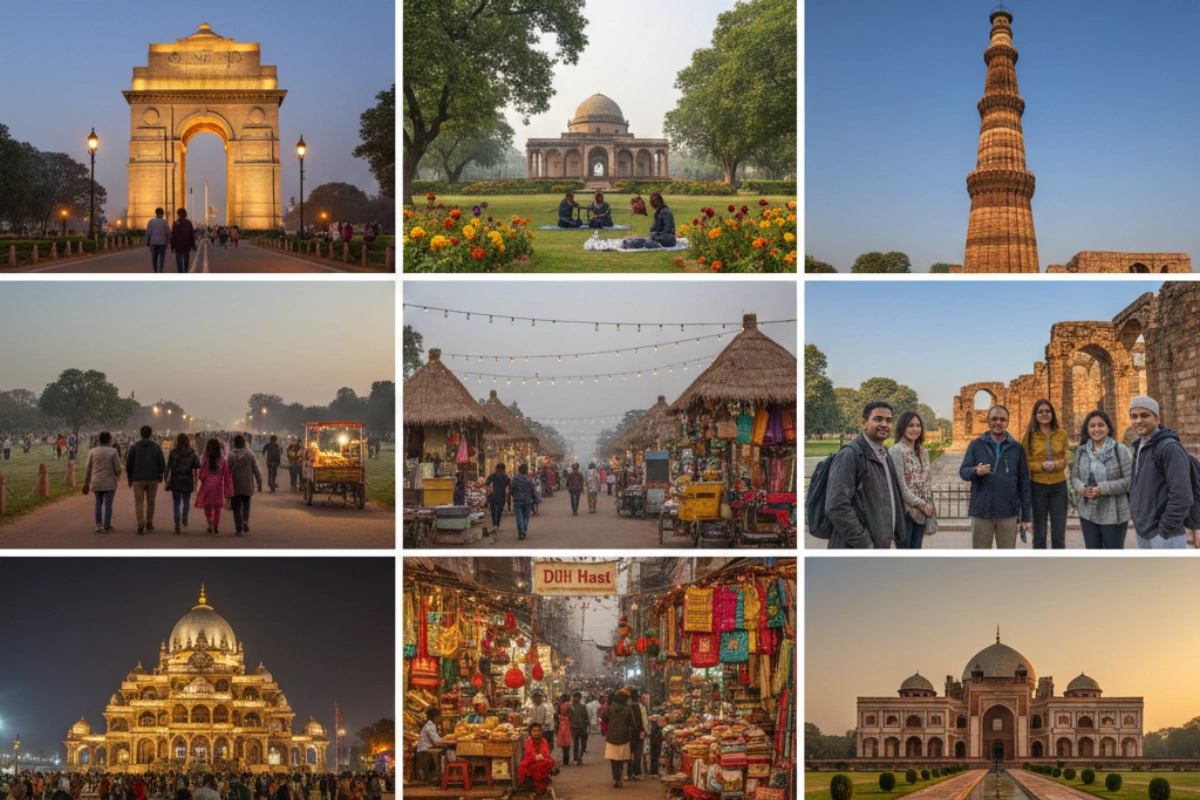
Living in India has also turned the city itself into a classroom. Historical monuments, architectural landmarks, and cultural spaces surround her family, offering daily opportunities for informal learning. For Fischer, this constant exposure nurtures curiosity and a deeper understanding of the world.
Affordability is another factor she highlights. Compared to life in the US, she finds the cost of living in India significantly lower. This allows her family to enjoy frequent outings—to museums, shopping centers, play zones, and restaurants—that would have been occasional luxuries back home. She believes these experiences add variety and joy to her children’s lives without financial strain.
Online reactions to her perspective have been varied but thoughtful. Some users agreed that India provides emotional warmth and strong academic foundations but cautioned that children raised in such close-knit environments may find it challenging to adjust to more individualistic societies later. Others praised Fischer’s honesty, saying Indian society naturally teaches empathy, cooperation, patience, and emotional intelligence through daily interactions.
Many parents admitted her reflections prompted them to reconsider their own assumptions—especially those planning to move abroad in search of a “better” childhood. Several commenters noted that her observations highlighted how easily families overlook the value of community, culture, and connection in pursuit of material comforts.
For Kristen Fischer, the conclusion is simple. India has given her daughters a childhood filled with color, companionship, learning, and joy—one rooted not just in opportunities, but in human connection. It’s an experience she says she will always be grateful for.