
Providing healthy snacks for kids is one of the most effective ways to support their growth, development, and daily energy needs. Children are constantly active—whether studying, playing sports, or engaging in creative activities—and their bodies require consistent nourishment. Choosing the right snacks can help improve concentration, strengthen immunity, and build lifelong healthy eating habits.
Why Healthy Snacking Matters
Snacks often get a bad reputation because they are associated with processed chips, sugary biscuits, and packaged treats. However, healthy snacks can actually bridge the nutritional gap between meals. Since children have smaller stomachs than adults, they may not get all the nutrients they need from three main meals alone. Nutritious snacks ensure they receive adequate vitamins, minerals, protein, and healthy fats throughout the day.
Balanced snacks can also help regulate blood sugar levels. When children eat foods high in sugar or refined carbohydrates, they may experience quick energy spikes followed by sudden crashes, leading to irritability and fatigue. In contrast, snacks rich in protein and fiber provide steady, long-lasting energy.
Key Components of a Healthy Snack
When preparing snacks for kids, aim to include at least two of the following components:
-
Protein: Supports muscle growth and keeps children full longer.
-
Fiber: Aids digestion and promotes gut health.
-
Healthy fats: Essential for brain development.
-
Complex carbohydrates: Provide sustained energy.
Combining these elements creates a balanced and satisfying snack.
Easy and Nutritious Snack Ideas
1. Fresh Fruits with Nut Butter
Apple slices, bananas, or pear wedges paired with peanut or almond butter offer a great mix of fiber and protein. This combination is both sweet and filling.
2. Yogurt Parfait
Plain yogurt topped with fresh berries and a sprinkle of granola makes a delicious snack packed with calcium, probiotics, and antioxidants. Opt for unsweetened yogurt to avoid excess sugar.
3. Homemade Trail Mix
Mix nuts, seeds, dried fruits, and a small portion of dark chocolate chips for a nutrient-dense snack. This is ideal for school tiffin boxes and outdoor activities.
4. Vegetable Sticks with Hummus
Carrot sticks, cucumber slices, and bell peppers served with hummus provide fiber, vitamins, and plant-based protein. It’s a colorful and crunchy option kids can enjoy.
5. Whole-Grain Sandwich Bites
Small sandwiches made with whole-grain bread, cheese, or lean protein like grilled chicken offer balanced nutrition. Cut them into fun shapes to make them more appealing.
6. Boiled Eggs
Eggs are rich in high-quality protein and essential nutrients like choline, which supports brain development. They are simple to prepare and easy to carry.
7. Smoothies
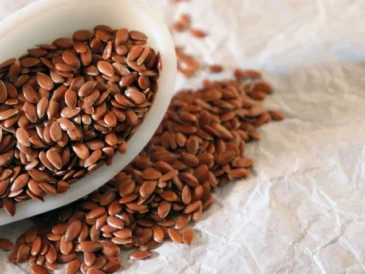
Blend milk or yogurt with fruits, spinach, and a spoonful of seeds like chia or flax for a nutrient-rich drink. Smoothies are perfect for picky eaters who may avoid whole fruits or vegetables.
Tips for Encouraging Healthy Snacking
-
Involve Kids in Preparation: Allow children to help wash fruits or assemble snacks. Participation increases their interest in healthy foods.
-
Keep Healthy Options Visible: Place fruits in a bowl on the table and store cut vegetables at eye level in the refrigerator.
-
Limit Sugary Drinks: Encourage water, coconut water, or milk instead of sugary beverages.
-
Practice Portion Control: Even healthy snacks should be served in appropriate portions to avoid overeating.
Building Lifelong Habits
Healthy snacking is not about strict restrictions but about balance and variety. Occasionally enjoying a treat is perfectly fine, but making nutritious options the norm helps children develop a positive relationship with food. Over time, these habits contribute to better academic performance, improved immunity, and overall well-being.
By offering wholesome, tasty alternatives and modeling healthy choices yourself, you can create a supportive food environment that benefits your child both now and in the future.