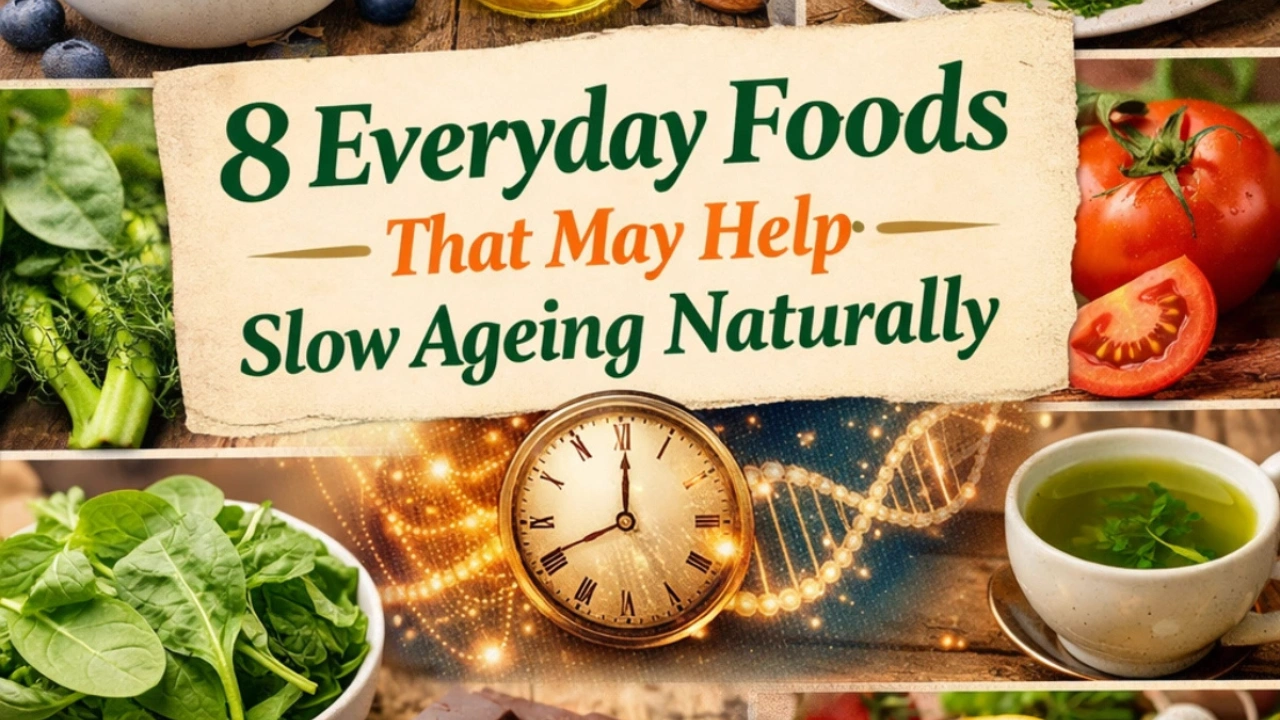
Ageing is a natural process — but how fast we age is influenced by daily choices, especially what we eat. While no food can stop ageing altogether, science consistently shows that certain everyday foods support cell repair, reduce inflammation, protect skin health, and improve overall vitality. The best part? These foods are affordable, accessible, and easy to include in daily meals.
Here are eight everyday foods that may help slow ageing naturally when consumed as part of a balanced lifestyle.
1. Blueberries: Small Fruit, Big Protection
Blueberries are often called a “superfood” for good reason. They are rich in anthocyanins, powerful antioxidants that help fight oxidative stress — one of the main drivers of ageing.
Oxidative stress damages cells over time, contributing to wrinkles, memory decline, and chronic disease risk. Regular consumption of blueberries has been linked to better brain function, improved skin health, and reduced inflammation.
How to eat them:
Add them to oatmeal, smoothies, yogurt, or enjoy a handful as a snack.
2. Nuts: Nature’s Anti-Ageing Snack
Almonds, walnuts, and pistachios are packed with healthy fats, vitamin E, and plant-based protein. Vitamin E plays a key role in protecting skin cells from damage caused by pollution and UV exposure.
Walnuts, in particular, contain omega-3 fatty acids, which help maintain skin elasticity and support heart and brain health — all crucial factors in healthy ageing.
How to eat them:
A small handful daily, preferably raw or lightly roasted without added salt.
3. Leafy Green Vegetables: Cellular Support Powerhouses
Spinach, kale, methi, and other leafy greens are rich in folate, vitamin C, beta-carotene, and lutein. These nutrients support DNA repair, improve circulation, and protect eyesight as we age.
Leafy greens also help maintain healthy gut bacteria, which plays a surprising role in immunity, skin appearance, and inflammation control.
How to eat them:
Add to dals, curries, smoothies, or sauté lightly with olive oil and garlic.
4. Olive Oil: Liquid Gold for Longevity
Extra virgin olive oil is a staple of the Mediterranean diet, which is closely associated with longer life expectancy. It contains monounsaturated fats and polyphenols that help reduce chronic inflammation and protect blood vessels.
Healthy fats also support skin hydration and help absorb fat-soluble vitamins, which are essential for maintaining youthful skin and hormone balance.
How to use it:
Drizzle over salads, vegetables, or use for low-heat cooking.
5. Tomatoes: Skin-Friendly and Heart-Healthy
Tomatoes are a major source of lycopene, an antioxidant linked to improved skin texture and reduced damage from sun exposure. Lycopene helps neutralize free radicals that accelerate skin ageing.
Interestingly, lycopene becomes more bioavailable when tomatoes are cooked, making traditional sauces and curries especially beneficial.
How to eat them:
In soups, sabzis, sauces, or lightly cooked with healthy fats.
6. Fatty Fish: Inside-Out Age Defence
Fish like salmon, sardines, and mackerel are rich in omega-3 fatty acids, which support brain health, joint mobility, and skin elasticity. Omega-3s help maintain the skin’s lipid barrier, keeping it supple and hydrated.
They also play a role in reducing inflammation, a key contributor to age-related conditions.
How to eat them:
2–3 servings per week, grilled or lightly cooked. For vegetarians, flaxseeds and chia seeds are good alternatives.
7. Green Tea: A Daily Ritual for Longevity
Green tea contains catechins, natural compounds known for their antioxidant and anti-inflammatory properties. Regular green tea consumption has been linked to better metabolism, improved skin resilience, and protection against cellular damage.
It also supports hydration without added sugar, which is important for skin and organ health.
How to drink it:
1–2 cups daily, preferably without sugar.
8. Dark Chocolate (In Moderation): Sweet but Smart
Good news for chocolate lovers — dark chocolate with high cocoa content (70% or more) contains flavonoids that improve blood flow and protect skin from environmental stress.
Flavonoids help reduce inflammation and may even improve mood, which indirectly supports healthy ageing.
How to enjoy it:
A small square after meals, not as a replacement for whole foods.
Why Everyday Foods Matter More Than Supplements
While supplements can help in specific cases, everyday foods offer nutrients in their most natural, bioavailable form. They also work together synergistically — something isolated pills can’t replicate.
Healthy ageing isn’t about chasing miracle foods. It’s about consistency, variety, and balance, paired with sleep, physical activity, and stress management.
Ageing gracefully doesn’t require extreme diets or expensive products. Simple, everyday foods — when chosen wisely — can support your body’s natural repair systems, protect your skin, and improve long-term health.
By building meals around whole, nutrient-rich foods, you’re not just adding years to life — you’re adding life to years.