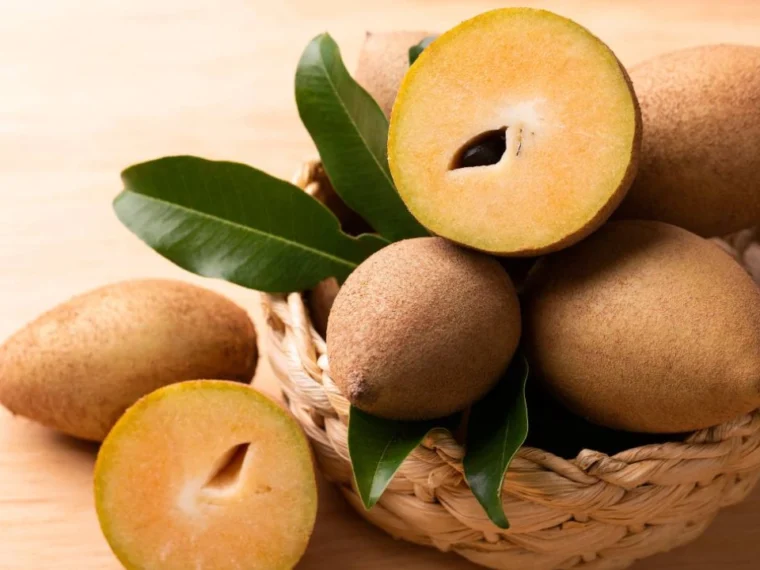
Sapodilla, popularly known as chiku in India, is a sweet, brown-skinned tropical fruit loved for its rich flavor and grainy texture. While it is often considered too sweet for people with diabetes, nutrition experts suggest that diabetics do not necessarily have to avoid chiku completely. The key lies in strict portion control and mindful consumption.
Here are five important reasons why chiku can be included in a diabetic diet — but only in moderation.
1. Moderate Glycemic Index When Eaten in Small Portions
Chiku has a moderate glycemic index (GI), meaning it does raise blood sugar levels, but not as rapidly as high-GI foods like white bread or sugary desserts. When consumed in small quantities — such as half a medium-sized fruit — the blood sugar spike can remain manageable, especially if paired with fiber-rich or protein-rich foods.
However, overeating chiku can quickly elevate glucose levels due to its natural sugar content. Therefore, portion size is critical.
2. Rich in Dietary Fiber
One of the major health benefits of chiku is its high fiber content. Fiber helps slow down the absorption of sugar into the bloodstream, reducing sudden spikes in blood glucose levels. For diabetics, fiber plays an essential role in improving digestion and maintaining steady energy levels.
Including a small portion of chiku after a balanced meal — instead of eating it alone — may help control the glycemic response more effectively.
3. Packed with Antioxidants
Chiku contains powerful antioxidants such as vitamin C, polyphenols, and tannins. These compounds help combat oxidative stress, which is commonly elevated in individuals with diabetes. Oxidative stress contributes to complications like heart disease, nerve damage, and inflammation.
By consuming antioxidant-rich fruits like chiku in limited amounts, diabetics may support their overall health and immunity without significantly disturbing blood sugar levels.
4. Provides Essential Vitamins and Minerals
Chiku is a good source of important nutrients such as potassium, iron, and vitamin A. Potassium supports heart health and helps regulate blood pressure — a crucial factor since many diabetics are at higher risk of cardiovascular disease.
Vitamin A supports eye health, and iron aids in preventing fatigue. When eaten responsibly, chiku can contribute to meeting daily nutrient requirements without relying on processed sweets.
5. Natural Sweet Craving Alternative
Managing sugar cravings can be challenging for people with diabetes. Instead of processed desserts or refined sugar snacks, a small serving of chiku can act as a natural sweet alternative.
Because it contains natural sugars along with fiber and nutrients, chiku is a better choice than cakes, pastries, or sugary beverages. Still, it should be treated as a controlled indulgence rather than a daily staple.
How Much Chiku Is Safe for Diabetics?
Moderation is non-negotiable. Most dieticians recommend:
-
No more than half a medium chiku at a time
-
Preferably during daytime hours
-
Always after a meal, not on an empty stomach
-
Monitoring blood sugar levels after consumption
People with poorly controlled diabetes should consult their healthcare provider before including chiku in their diet.
The Bottom Line
Chiku is sweet, nutritious, and delicious — but it is not completely off-limits for diabetics. Thanks to its fiber, antioxidants, and essential nutrients, it can be consumed occasionally in small portions as part of a balanced diet.
The golden rule remains: strict moderation. When portion sizes are controlled and blood sugar is monitored, chiku can be enjoyed safely without compromising diabetic health.