
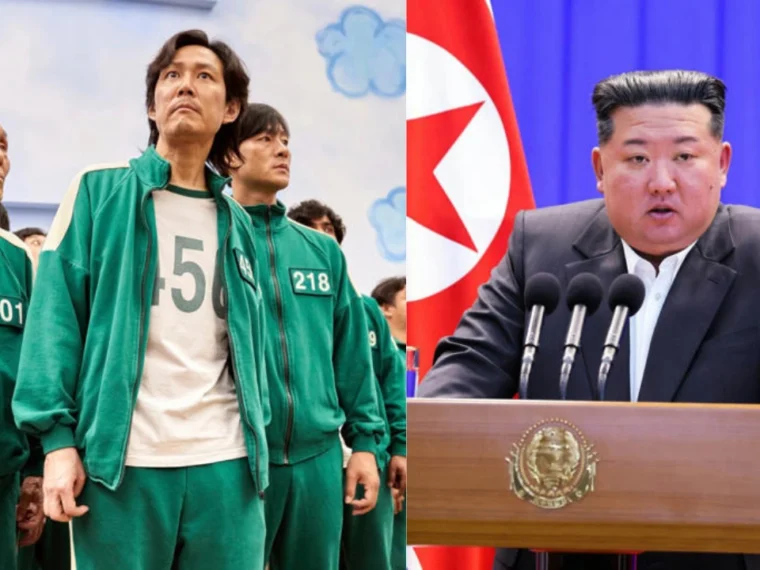
Fresh testimony from defectors and human rights investigators has revealed the extreme lengths to which North Korea is allegedly going to suppress access to foreign information, including the public execution of people—some of them schoolchildren—for watching South Korean television shows or listening to K-pop music.
According to findings highlighted by Amnesty International, the North Korean regime has intensified its crackdown on so-called “reactionary culture,” with South Korean dramas such as Squid Game and Crash Landing on You reportedly treated as criminal material. Those caught consuming such content face punishments ranging from forced labor to life imprisonment and, in the most severe cases, execution.
Disturbingly, testimonies collected from individuals who have fled the country suggest that even minors are not spared. Former residents claim that children have been subjected to public executions or forced to witness the killing of peers accused of watching or sharing banned media. These acts are allegedly carried out as deliberate warnings aimed at instilling fear and discouraging exposure to outside ideas.
Amnesty International says the harsh penalties are not applied equally. Poorer citizens and those without political or family connections reportedly face the most brutal consequences, while wealthier individuals may be able to avoid execution by bribing officials. This has created what rights groups describe as a system of repression compounded by corruption.
Sarah Brooks, Deputy Regional Director for East Asia at Amnesty International, described the situation as deeply dystopian. She said the testimonies illustrate how access to information is being criminalized in direct violation of international human rights law.
“Watching a South Korean TV show can cost you your life—unless you can afford to pay,” Brooks said. “The authorities criminalize information, then allow officials to profit from people’s fear. This system overwhelmingly punishes those without wealth or influence.”
According to Brooks, the North Korean government’s fear of outside information has effectively trapped citizens in what she called an “ideological cage,” cutting them off from alternative viewpoints, cultural expression, and even basic entertainment.
Despite the severe risks, South Korean media continues to find its way into the country, often smuggled across the Chinese border on USB drives or memory cards. Popular dramas, music videos, and films are shared discreetly, especially among younger people, who are said to be increasingly curious about life beyond North Korea’s tightly controlled narrative.
Interviewees told Amnesty International that people have been executed specifically for watching globally popular content such as Squid Game or listening to internationally known K-pop groups like BTS. One widely reported case dates back to 2021, when a student was allegedly sentenced to death by firing squad for smuggling copies of Squid Game into the country from China.
According to sources cited by Radio Free Asia, the student sold copies of the series to several individuals, including fellow students. One buyer reportedly received a life sentence, while others who watched the show were sent to hard labor camps for up to five years. These punishments were reportedly handed down as an example to deter others.
Observers note that Squid Game, which portrays desperate individuals trapped in a brutal system where survival comes at a terrible cost, resonates strongly with North Korean viewers. Many defectors have said the show reflects their lived reality under authoritarian rule, where debt, hunger, and fear shape daily life.
North Korea’s legal framework enables this crackdown. The “Law on the Elimination of Reactionary Thought and Culture,” which came into force in 2020, explicitly targets foreign media, particularly content from South Korea. The law bans movies, music, books, and even slang deemed ideologically dangerous, with harsh penalties attached.
Human rights organizations argue that the law has significantly expanded the state’s power to punish cultural consumption and has been used to justify extreme violence against civilians, including minors. International watchdogs continue to call on the global community to pressure Pyongyang to end these practices and allow independent investigations.
As North Korea remains largely closed to outside observers, much of what is known comes from defectors and covert reporting. While independent verification is difficult, the consistency of testimonies has reinforced concerns that consuming entertainment in North Korea is no longer just an act of curiosity—but one that can be fatal.