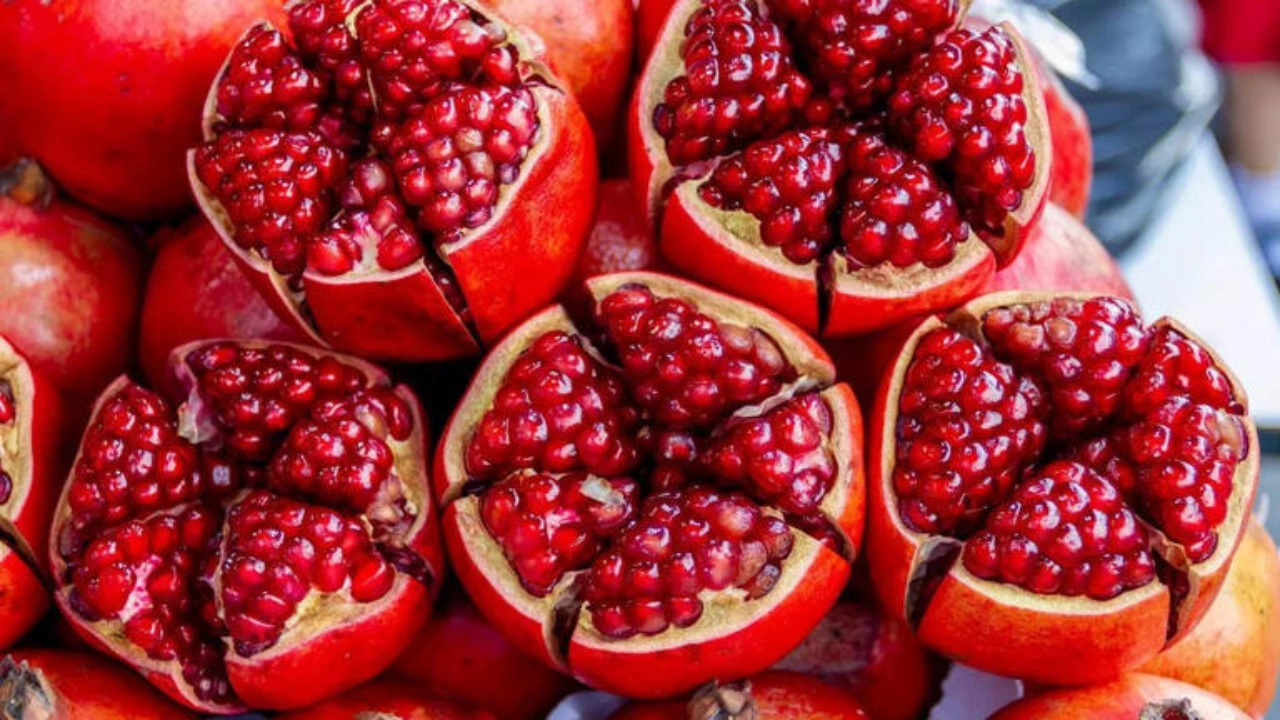
Pomegranate Side Effects: Pomegranate is widely known as a superfruit packed with antioxidants, vitamins, and minerals. It is praised for improving heart health, boosting immunity, and supporting digestion. However, despite its many benefits, pomegranate is not suitable for everyone. Certain people may experience adverse effects after consuming this fruit, especially if they have underlying medical conditions or are taking specific medications.
Understanding who should avoid eating pomegranates is essential to prevent potential health risks. Let’s explore the groups of people who need to be cautious.
1. People with Low Blood Pressure
Pomegranate naturally helps lower blood pressure by improving blood flow and relaxing blood vessels. While this is beneficial for people with hypertension, it can be risky for those who already have low blood pressure (hypotension).
Regular consumption may cause dizziness, fatigue, or fainting due to further reduction in blood pressure. Individuals with hypotension should consult a doctor before adding pomegranate or its juice to their daily diet.
2. People Taking Blood Pressure or Heart Medications
Pomegranate can interact with certain medications, especially blood pressure drugs, cholesterol-lowering medicines, and blood thinners. It may increase the effect of these medicines, leading to dangerously low blood pressure or excessive thinning of the blood.
People taking medications like ACE inhibitors, statins, or anticoagulants should avoid consuming pomegranate without medical advice.
3. Individuals with Allergies
Although rare, some people may be allergic to pomegranate. Symptoms of pomegranate allergy may include:
-
Itching or swelling in the mouth and throat
-
Skin rashes or hives
-
Difficulty breathing
-
Stomach pain or vomiting
Anyone experiencing these symptoms after eating pomegranate should stop consumption immediately and seek medical help.
4. People with Digestive Disorders
Pomegranate is rich in fiber, which supports digestion, but excess fiber can worsen symptoms in people with sensitive digestive systems.
Those suffering from conditions such as:
-
Irritable Bowel Syndrome (IBS)
-
Chronic constipation
-
Acid reflux or gastritis
may experience bloating, gas, or abdominal discomfort. Eating pomegranate seeds in moderation or avoiding them entirely may help prevent digestive distress.
5. People with Diabetes (If Not Monitored)
Pomegranate contains natural sugars. While it has a low glycemic index compared to many fruits, excessive intake—especially in juice form—can cause blood sugar spikes.
People with diabetes should:
-
Avoid packaged pomegranate juice
-
Monitor portion size
-
Consume it only after consulting a healthcare provider
Uncontrolled consumption may interfere with blood sugar management.
6. Individuals Scheduled for Surgery
Pomegranate’s blood-thinning and blood-pressure-lowering properties can pose risks during surgery. Doctors usually advise patients to stop consuming pomegranate at least two weeks before surgery to prevent complications like excessive bleeding or sudden drops in blood pressure.
7. People with Kidney Problems
Pomegranate contains potassium, which is beneficial for healthy individuals but can be harmful to people with kidney disease. Impaired kidneys may struggle to remove excess potassium, leading to dangerous conditions like hyperkalemia.
Patients with kidney disorders should consume pomegranate only under medical supervision.
8. Children and Elderly (Excess Intake)
While pomegranate is generally safe, excessive consumption in children and elderly people may cause stomach upset, choking hazards from seeds, or fluctuations in blood pressure. Moderation is key for these age groups.
Pomegranate is undoubtedly a nutritious fruit, but it is not universally safe. People with low blood pressure, allergies, digestive issues, diabetes, kidney disease, or those on certain medications should be especially careful. Consulting a healthcare professional before making pomegranate a regular part of your diet is always a wise choice.
Eating smart is not just about choosing healthy foods—it’s also about knowing what suits your body best.