Bangladesh
As Bangladesh prepares for a crucial general election, the country’s interim leadership appears to be pushing forward with a major trade agreement with the United States—one that is drawing attention not just for its economic implications, but also for the secrecy surrounding it. Reports indicate that Dhaka and Washington are set to formalize a trade pact on February 9, just three days before Bangladesh heads to the polls on February 12.
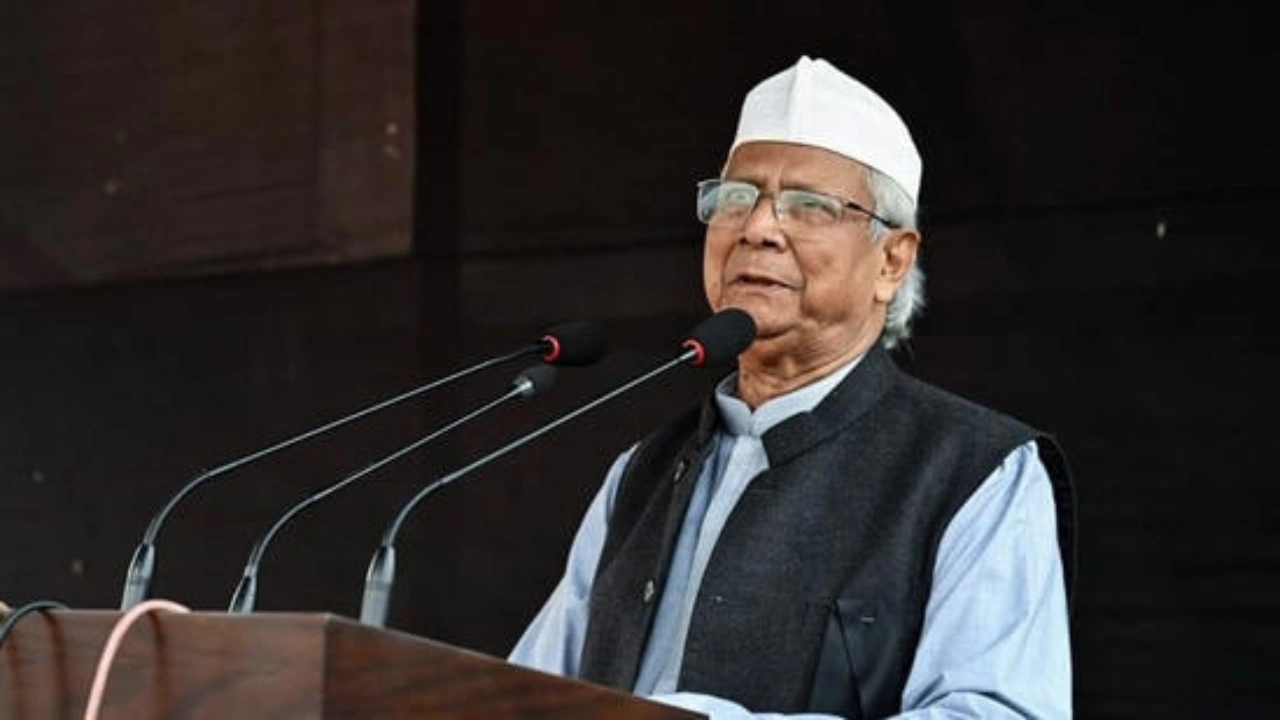
The timing of the agreement has sparked debate within political and business circles, particularly because the country is currently being governed by an interim administration led by Nobel laureate Muhammad Yunus. According to Bangladeshi media reports, including Prothom Alo, the signing date was confirmed by Commerce Secretary Mahbubur Rahman. However, the actual contents of the agreement remain undisclosed.
What has raised eyebrows is that Bangladesh has reportedly signed a Non-Disclosure Agreement (NDA) with the United States, preventing public disclosure of the terms of the deal. This lack of transparency has led to concerns among industry leaders, traders, and policy observers, especially given the agreement’s potential long-term impact on tariffs, imports, and strategic trade relationships.
The secrecy surrounding the pact is further complicated by the political context. The Yunus-led interim government is expected to step down shortly after the elections, meaning that the responsibility for implementing the trade agreement will fall on the next elected government. Critics argue that a deal of this magnitude should ideally be negotiated and finalized by a government with a fresh electoral mandate.
The development also comes at a sensitive moment in regional trade dynamics. Just a week earlier, India and the United States finalized a trade agreement under which tariffs on Indian exports were reduced to 18%. Observers believe this may have influenced Dhaka’s urgency to secure similar—or better—tariff concessions from Washington.
Bangladesh Pushes for Further Tariff Cuts
Currently, Bangladeshi exports to the US are subject to a 20% tariff, a reduction from the much steeper 37% duties announced earlier in April 2025 under former US President Donald Trump. These rates were later revised in August as part of a broader reciprocal tariff adjustment by Washington.
Sources suggest that Bangladesh is now seeking to bring tariffs down further to 15%, a move that could significantly benefit its export-driven economy. However, the uncertainty around the agreement’s terms has unsettled domestic businesses, particularly those dependent on exports.
The garment industry, which forms the backbone of Bangladesh’s economy, is watching developments closely. In 2023 alone, apparel exports were valued at approximately USD 38 billion, making the sector highly sensitive to tariff changes. Industry leaders have expressed concern over both the timing and opacity of the deal.
“I was surprised to see the agreement being signed just days before the election,” said Inamul Haque Khan, senior vice president of the Bangladesh Garment Manufacturers and Exporters Association (BGMEA). “Such a decision carries long-term implications and should ideally be handled after elections, with greater clarity.”
Domestic traders echo similar sentiments, noting that the absence of public details makes it difficult to assess how different sectors may be affected.
US Expectations and Strategic Interests
Reports suggest that the NDA governing the negotiations was signed as early as June 2025, months before the US reduced tariffs on Bangladeshi goods. Trade data highlights a significant imbalance between the two countries: Bangladesh imports goods worth around USD 2 billion from the US, while exporting roughly USD 6 billion in return.
Washington is reportedly seeking to narrow this gap by expanding its exports to Bangladesh. These include agricultural commodities such as wheat, corn, soybean oil, and cotton. Additionally, the US is said to be pushing for greater defense exports and encouraging Dhaka to reduce its economic reliance on China.
The agreement may also include provisions for easier entry of US automobiles into the Bangladeshi market, potentially without additional inspections—another point of concern for local stakeholders.
The February 12 election will be Bangladesh’s first since the removal of former Prime Minister Sheikh Hasina following widespread student-led protests in August 2024. With the political transition still unfolding, the fate and implementation of the US trade pact will likely remain a key issue for the incoming government.
About the Author