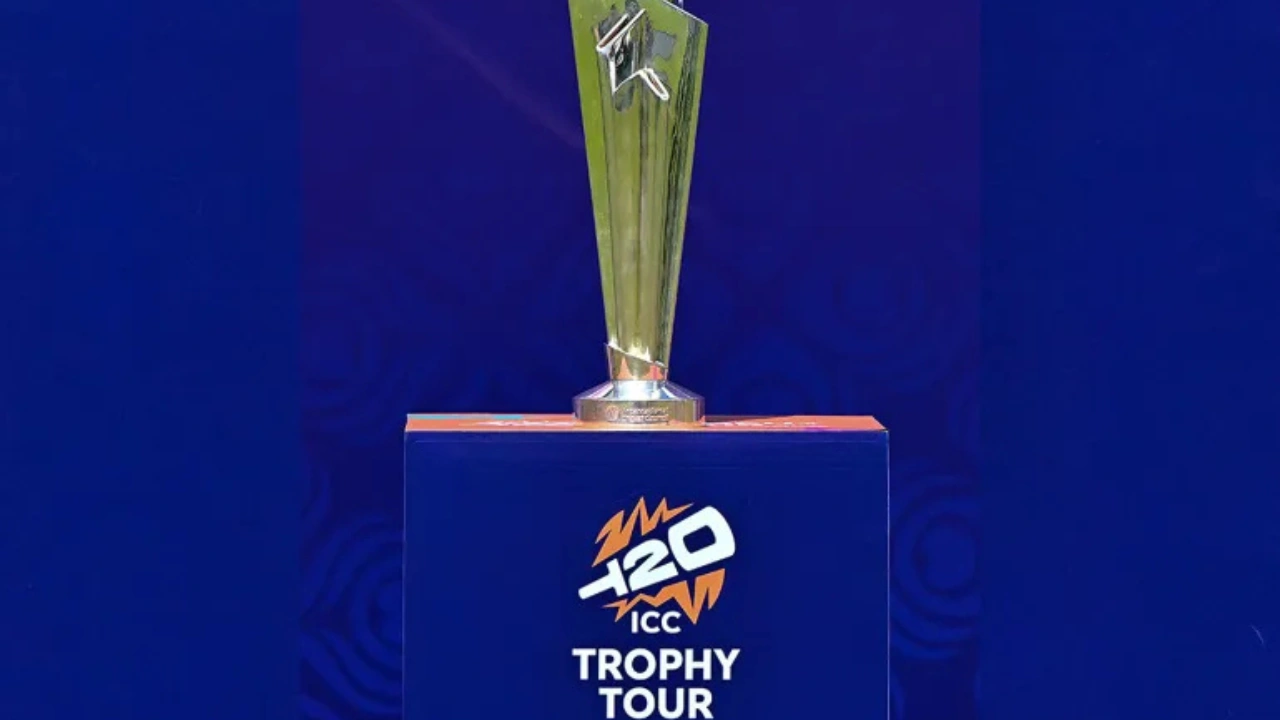
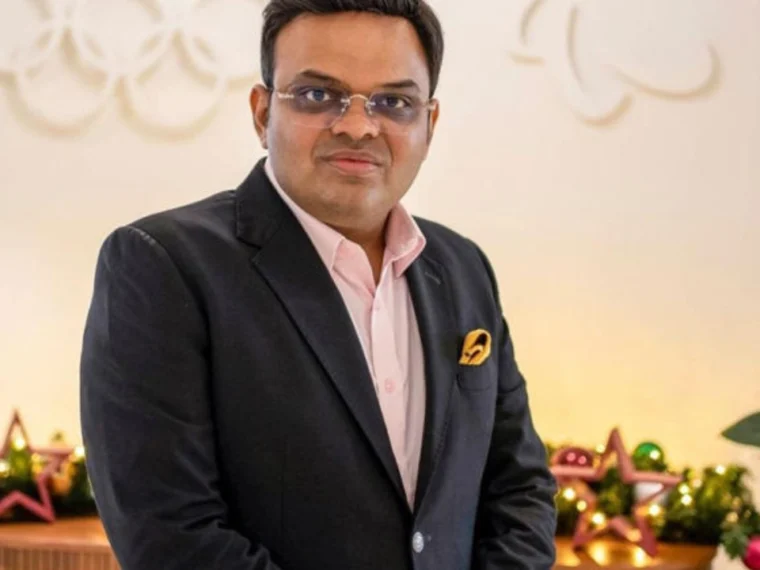
The political tension surrounding the highly anticipated India–Pakistan clash at the 2026 ICC Men’s T20 World Cup has intensified, with former International Cricket Council (ICC) chairman Ihsan Mani calling on current ICC chairman Jay Shah to take a hands-on role in resolving the deadlock. Mani has suggested that Shah should personally travel to Pakistan and engage directly with the country’s leadership to help end the proposed boycott of the marquee match.
The India–Pakistan fixture, scheduled for February 15, 2026, in Colombo under the ICC’s hybrid hosting model, is facing uncertainty after Pakistan signaled it may not take the field against India. The move comes in response to Bangladesh’s earlier refusal to travel to India for its World Cup matches, citing security concerns, and the subsequent decision by the ICC to replace Bangladesh with Scotland after the deadline for confirmation elapsed.
Pakistan Cricket Board (PCB) chairman Mohsin Naqvi, who also holds a powerful ministerial position within Pakistan’s government, strongly criticized the ICC’s decision, calling it an act of injustice. In solidarity with Bangladesh, the Pakistani government reportedly advised its national team to boycott the match against India, escalating the issue from a cricketing dispute into a diplomatic flashpoint.
Speaking to Dawn, Ihsan Mani argued that the situation requires direct intervention at the highest level of global cricket governance. According to Mani, relying on intermediaries may not be sufficient given the political sensitivities involved.
“He should go to Pakistan, convince the government to lift the boycott, and also listen to their grievances,” Mani said, referring to Jay Shah. “It is better for the ICC chairman to deal with the Pakistani government himself rather than delegating the matter.”
Reports suggest that ICC deputy chairman Imran Khawaja has been asked to facilitate talks between the PCB and the ICC. However, Mani believes Khawaja may not be the most effective choice for mediation, emphasizing that Shah’s authority and position could carry greater weight in discussions with Pakistan’s leadership.
The controversy has placed the ICC in a difficult position, as the India–Pakistan match is not only one of the most watched sporting events globally but also a major commercial driver. Broadcasters, sponsors, and host boards stand to lose crores of rupees if the fixture is canceled, adding financial pressure to an already complex political scenario.
Mani acknowledged that Pakistan’s legal position may not be entirely solid if the boycott goes ahead. Pakistan has signed the Members Participation Agreement (MPA), which obligates teams to participate in scheduled matches. A unilateral withdrawal could potentially expose the PCB to contractual and legal consequences.
“There may be weaknesses in Pakistan’s case,” Mani admitted. “The ICC had already accommodated Pakistan by shifting its matches from India to Sri Lanka under the hybrid model. However, with a competent legal team, Pakistan can still present its arguments effectively.”
He further suggested that Pakistan’s decision, while controversial, was driven by what he described as an uncompromising stance from the Board of Control for Cricket in India (BCCI), which he believes contributed to the current impasse.
As the countdown to the 2026 T20 World Cup continues, the ICC faces mounting pressure to find a diplomatic solution that preserves the integrity of the tournament while balancing political realities. Whether Jay Shah will take up Mani’s advice and engage directly with Pakistan’s government remains to be seen, but the resolution of this standoff could shape the future of India–Pakistan cricket encounters for years to come.