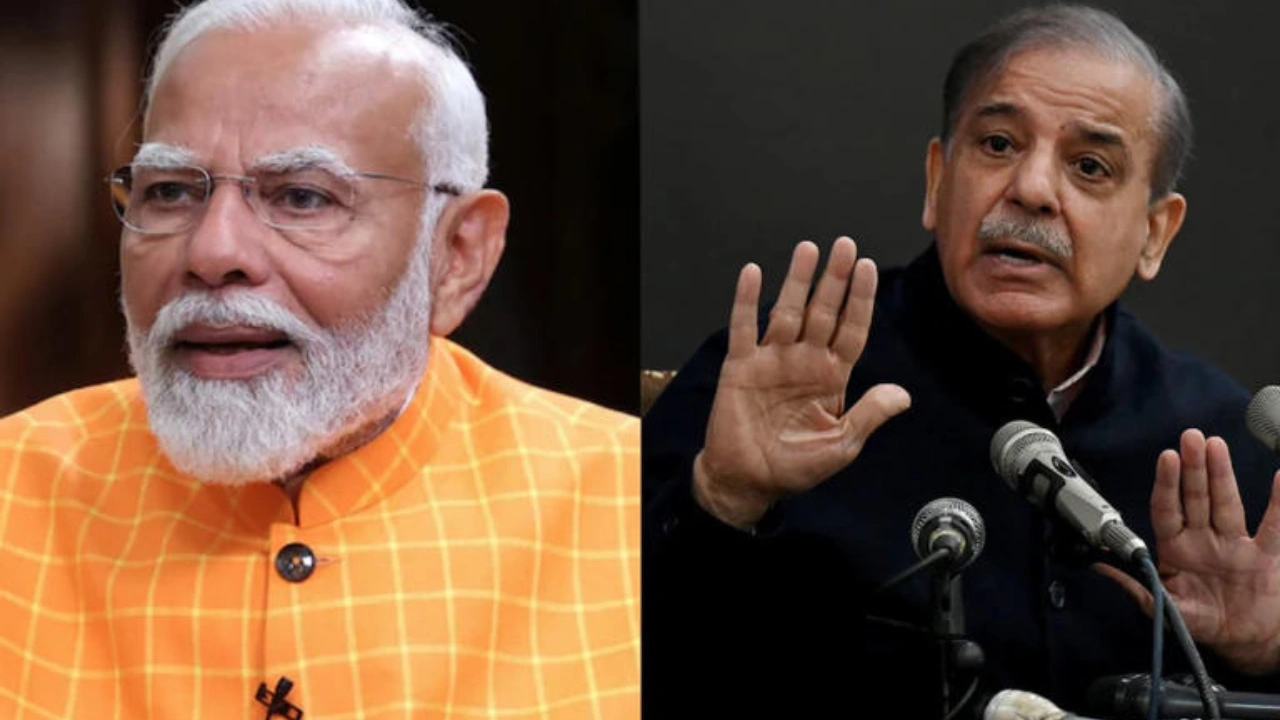
India and the European Union have signed a long-awaited Free Trade Agreement (FTA) in New Delhi on January 27, concluding nearly two decades of negotiations. Touted as the “mother of all deals,” the pact links two major economic blocs that together account for almost 25% of global GDP, represent around a quarter of the world’s population, and connect nearly 2 billion people.
While the agreement is being celebrated in New Delhi as a landmark step in India’s global trade strategy, it has triggered deep concern across the border in Pakistan. Islamabad has acknowledged that it is already in touch with European Union authorities to assess and manage the potential fallout on its exports following the India–EU trade deal.
Why the India–EU Deal Worries Pakistan
For years, Pakistan has enjoyed a significant competitive advantage in the European market under the EU’s Generalised Scheme of Preferences Plus (GSP+). This preferential status allowed Pakistan zero-duty access for nearly 66% of its export lines, particularly in textiles and apparel—sectors that form the backbone of its export economy.
Indian exporters, in contrast, faced hefty tariffs ranging from 9% to 12% on similar products. Despite this disadvantage, India’s textile exports to the EU stood close behind Pakistan’s, at $5.6 billion, compared to Pakistan’s $6.2 billion.
The new FTA dramatically changes this equation. Once implemented, India will gain broad duty-free access to the EU, effectively wiping out Pakistan’s long-standing tariff advantage. Compounding Islamabad’s worries is the fact that Pakistan’s GSP+ status—granted in 2014—is set to expire in December next year, with no guarantee of renewal beyond 2027.
A Double Blow for Pakistani Exports
With the EU remaining Pakistan’s largest export destination, business leaders fear a serious erosion of market share. Analysts describe the situation as a double-edged sword: Pakistan is losing its pricing advantage to India through the FTA, while also facing the risk of losing its own preferential access if GSP+ is not extended.
Kamran Arshad, chief of the All Pakistan Textile Mills Association, said India has now become “significantly more competitive” in the EU market, neutralising—and in some segments overtaking—Pakistan’s GSP+ edge.
Echoing this concern, Saquib Fayyaz Magoon, chairman of the Businessmen Panel Progressive and vice president of the Federation of Pakistan Chambers of Commerce and Industry (FPCCI), warned that once India secures zero-duty access, Pakistan’s advantage would vanish, potentially delivering a severe blow to exports. “Once a market is lost, regaining it becomes extremely difficult,” he cautioned.
Government Response and Growing Anxiety
Pakistan’s Foreign Office has maintained that the GSP+ framework remains beneficial for both sides. Tahir Andrabi, spokesperson for the Ministry of Foreign Affairs, said the scheme has ensured a steady supply of affordable textiles and apparel to EU consumers while supporting Pakistan’s export economy. He confirmed that the issue has been raised during strategic dialogues and ongoing engagements with EU member states and officials in Brussels.
However, former Commerce Minister Dr Gohar Ejaz struck a sharper tone, declaring on social media that Pakistan’s “zero-tariff honeymoon” with the EU was effectively over. He warned that up to 10 million jobs could be at risk unless urgent reforms are undertaken. Calling for lower energy costs, improved financing, and tax reforms, he said industry could no longer shoulder the burden of systemic inefficiencies.
What the Deal Means for India
Under the FTA, nearly 95% of India’s labour-intensive exports—including textiles, garments, and leather goods—are expected to enjoy duty-free access to the EU. At the same time, European luxury cars and wines are likely to become cheaper in India, marking a significant shift in bilateral trade dynamics.
As the agreement moves toward implementation, its ripple effects are expected to reshape trade balances across South Asia—placing India in a stronger position, while forcing Pakistan to urgently rethink its export strategy.