When people search Google for answers about their health, many assume the information they see—especially at the very top of the page—comes from trusted medical authorities. However, new findings suggest that Google’s AI-powered summaries may be relying far more heavily on YouTube than most users realize, raising serious questions about accuracy, safety, and accountability in AI-generated health advice.
According to a report highlighted by The Guardian, Google’s AI Overviews—the concise summaries displayed prominently above traditional search results—frequently cite YouTube when responding to health-related questions. These AI-generated answers reach an estimated two billion users every month, giving them extraordinary influence over how people understand symptoms, diagnoses, and medical tests.
The findings are based on a large-scale study that analyzed responses to more than 50,000 health-related Google searches conducted in Berlin. Researchers examined which sources were cited by Google’s AI Overviews and found that YouTube alone accounted for 4.43 percent of all citations. No single hospital system, government health authority, medical association, or academic institution came close to matching that level of prominence.
This is notable because Google has long emphasized that its health-related AI features are designed to prioritize reputable sources such as the Centers for Disease Control and Prevention (CDC), the World Health Organization, and leading institutions like the Mayo Clinic. While these organizations do appear in AI Overviews, the study suggests they are often overshadowed by YouTube content, which spans a vast and uneven range of quality.
YouTube hosts videos from licensed physicians and credible medical educators—but it also contains content from wellness influencers, alternative medicine promoters, and creators offering advice that may be outdated, misleading, or entirely unverified. Researchers warn that presenting such content alongside authoritative medical information can blur critical distinctions for users, especially when it is summarized by AI in a confident, authoritative tone.
Experts involved in the study stressed that YouTube is not a medical publisher and should not be treated as one. Unlike hospitals, public health agencies, or peer-reviewed journals, YouTube does not operate under standardized medical review processes. Its primary incentive structure is based on engagement, watch time, and search performance—not clinical accuracy. As a result, videos that are persuasive or emotionally compelling may be amplified regardless of their medical reliability.
One particularly troubling example cited in the research involved incorrect information about liver function tests. In this case, Google’s AI Overview provided a misleading explanation that medical professionals described as dangerous. Doctors warned that individuals with serious liver conditions could have been falsely reassured that their test results were normal, potentially delaying urgent treatment. Following criticism, Google removed AI Overviews for certain medical queries, but the feature remains active for many others.
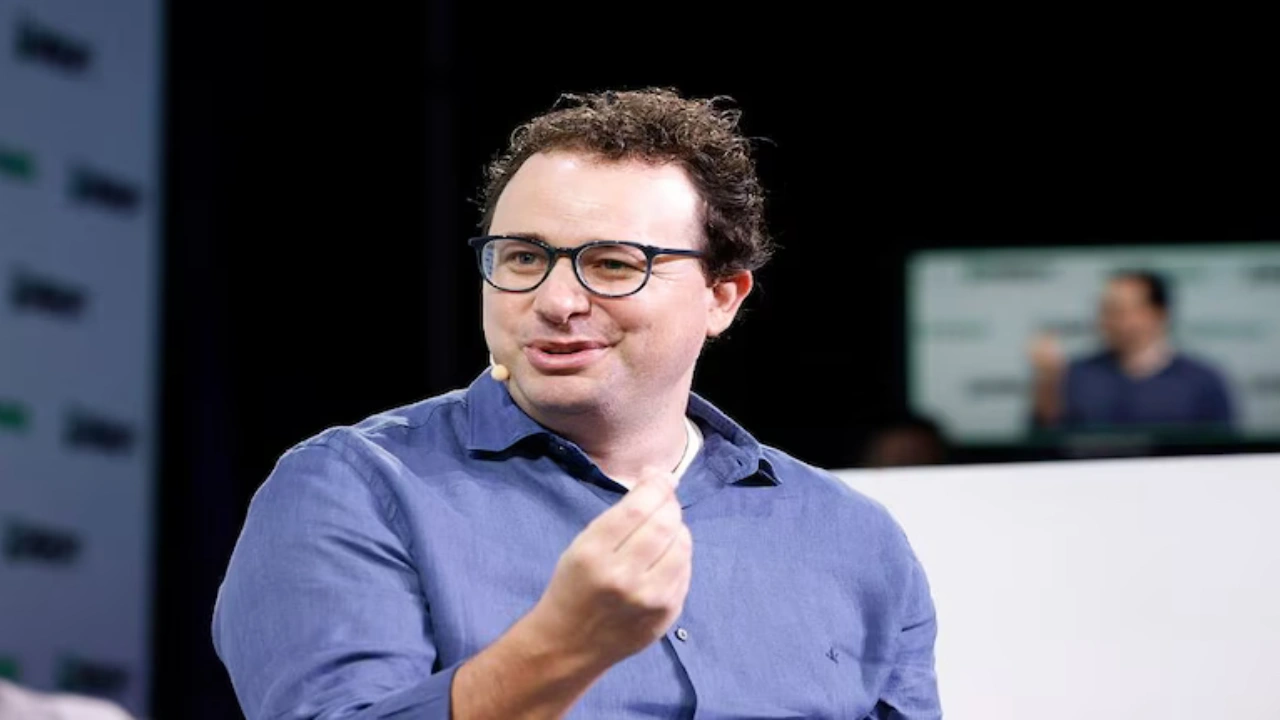
Hannah van Kolfschooten, a researcher specializing in AI, health, and law at the University of Basel, said the issue extends beyond occasional errors. According to her, the risks posed by AI Overviews in health searches are structural, meaning they are rooted in the system’s design rather than being isolated mistakes. She emphasized that when AI systems prioritize visibility and engagement-driven sources, the consequences for health-related searches can be especially severe.
The study also raises concerns about conflicts of interest. YouTube is owned by Google, and critics argue that the AI system may be unintentionally—or structurally—favoring content from Google’s own platforms. While Google denies intentionally boosting YouTube links, researchers say the pattern warrants closer scrutiny, particularly when public health information is at stake.
As AI-generated answers become a routine part of everyday search behavior, experts warn that the stakes are highest in healthcare. People often turn to Google during moments of anxiety or uncertainty, seeking clarity about symptoms, test results, or treatments. In such contexts, accuracy is far more important than popularity, engagement metrics, or platform synergy.
Researchers and medical professionals are calling for greater transparency, stronger safeguards, and clearer prioritization of verified medical sources in AI-generated health content. Without these measures, they argue, the growing reliance on YouTube-driven summaries could lead to misinformation, delayed diagnoses, and real-world harm.