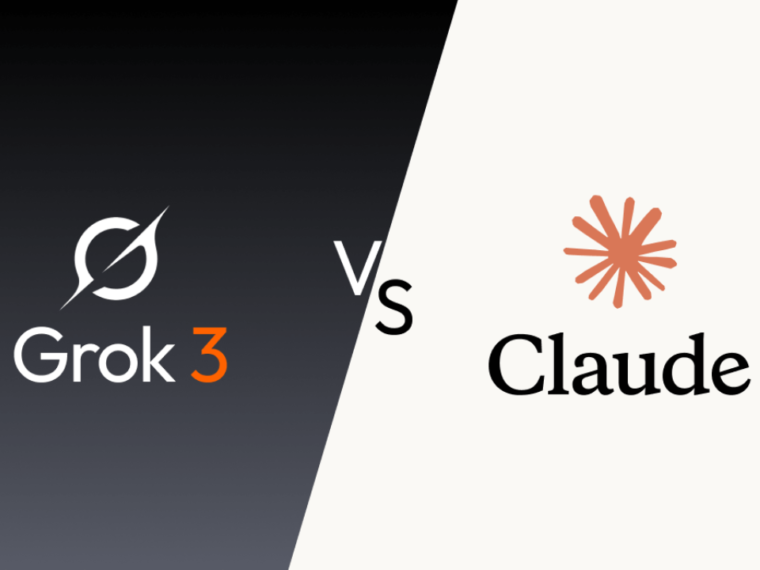
Claude vs Grok: Artificial intelligence is rapidly transforming the way software is built, and the debate over which AI model codes better may soon lose its importance. As AI-powered coding tools continue to evolve, tech leaders are increasingly suggesting that manual programming could become less central to the development process. According to Elon Musk, the competition between leading AI coding systems such as Claude and Grok may not matter much in the near future.
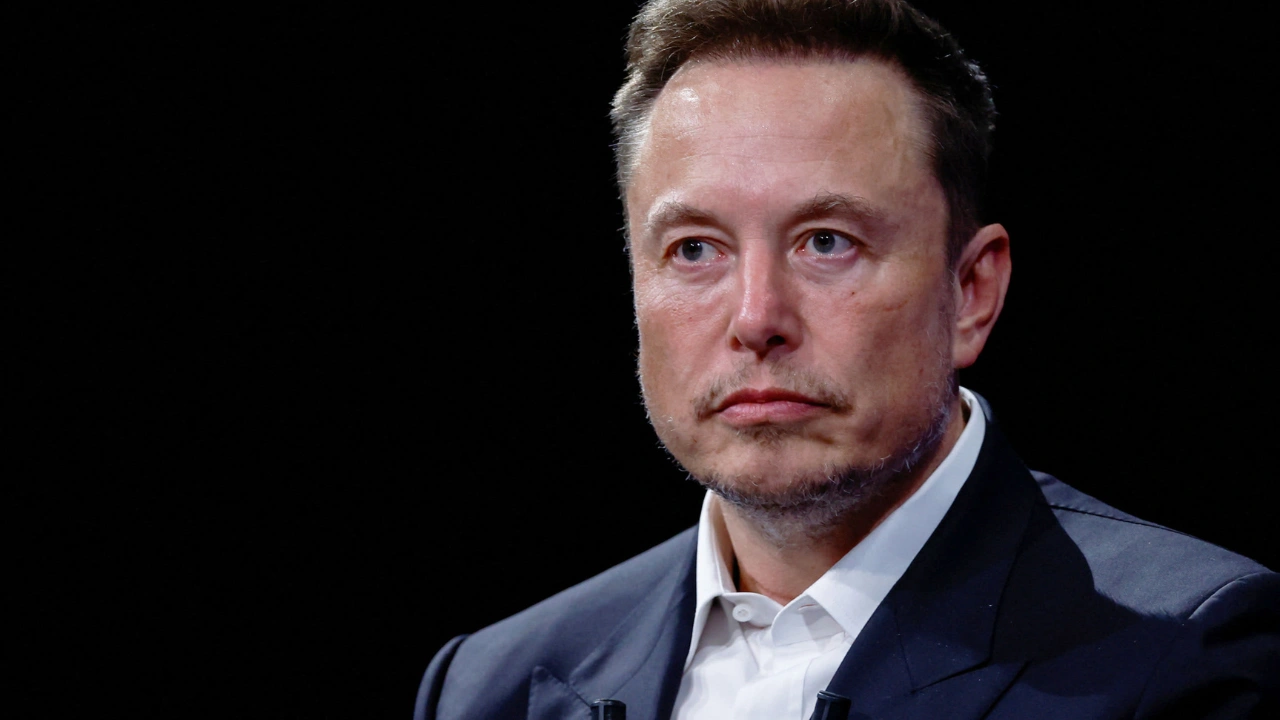
In a recent post on X, Musk responded to discussions about Grok Code, the coding-focused system being developed by his AI company, xAI. He made a bold prediction, stating that “coding will become a generic product this year.” His remark suggests that software development, traditionally considered a specialized and highly technical skill, could soon be commoditized through advanced AI systems capable of generating accurate and complex code with minimal human input.
The AI coding race has intensified in recent months. Developers and tech enthusiasts frequently compare Anthropic’s Claude Code with Grok Code, debating which platform produces cleaner, more reliable, or more efficient results. Anthropic has claimed that its Claude Opus 4.6 model achieved a significant milestone by independently building a C compiler within two weeks—an accomplishment that underscores how far AI-driven programming tools have progressed. Creating a compiler is a technically demanding task, requiring deep understanding of programming languages and system-level processes, making this achievement noteworthy.
However, Musk believes that such comparisons may soon become meaningless. In another post, he argued that the leading coding models are advancing so quickly that distinguishing between them will be difficult. According to him, these systems will “so rarely get anything wrong” that performance gaps will shrink dramatically. If AI tools consistently produce near-flawless code, the choice between Claude, Grok, or any other top-tier model may ultimately come down to preference rather than capability.
Musk has previously made even more striking predictions about the future of programming. Earlier this year, he suggested that by the end of 2026, developers may not need to write code at all. Instead, AI systems could directly generate the binary instructions required for machines to execute tasks, effectively bypassing traditional compilers. In this vision, programmers would shift from writing lines of code to defining objectives, system behavior, and high-level logic, while AI handles the technical translation.
This perspective signals a broader transformation in the tech industry. If coding becomes a standardized, AI-driven service, the role of developers may evolve toward system design, architecture planning, oversight, and problem-solving rather than manual code production. Much like how cloud computing turned infrastructure into an on-demand utility, AI could make programming capabilities universally accessible.
While some experts see this as an efficiency breakthrough, others raise concerns about overreliance on automation and the potential loss of foundational coding skills. Nevertheless, one thing is clear: AI-assisted development is no longer experimental—it is mainstream and rapidly improving.
As AI coding agents continue to mature, the rivalry between Claude and Grok may simply mark an early chapter in a future where software creation is faster, more automated, and increasingly commoditized.