
Sedentary habits or lifestyle: A silent health crisis is unfolding among young Indians. Once considered a condition affecting middle-aged adults, fatty liver disease is now increasingly being diagnosed in people in their 20s and 30s. Health experts warn that a sedentary lifestyle, rising screen time, prolonged desk jobs, and unhealthy eating habits are driving what could become a major public health challenge in the coming years.
Understanding Fatty Liver Disease
Fatty liver disease occurs when excess fat builds up in liver cells. The most common form today is non-alcoholic fatty liver disease (NAFLD), which is not linked to alcohol consumption but rather to metabolic risk factors such as obesity, insulin resistance, high cholesterol, and poor diet. If left untreated, fatty liver can progress to inflammation, liver damage, and in severe cases, cirrhosis or liver failure.
What is particularly concerning is the shift in age demographics. Doctors across Indian cities report a noticeable increase in young patients showing early signs of fatty liver during routine health check-ups.
The Sedentary Shift
India’s rapid digital transformation has dramatically changed daily routines. Long hours spent working on laptops, attending virtual meetings, binge-watching shows, or scrolling through smartphones have reduced physical movement to a minimum.
Many young professionals spend eight to ten hours at a desk, followed by additional screen time at home. Physical activity often takes a backseat due to tight work schedules, long commutes, and urban lifestyles that limit outdoor exercise. This lack of movement slows metabolism and promotes fat accumulation, including in the liver.
Junk Food and Processed Diets
Diet plays a central role in the growing fatty liver problem. Fast food, sugary beverages, refined carbohydrates, and ultra-processed snacks have become staples in many urban households. Frequent ordering through food delivery apps has made calorie-dense meals more accessible than ever.
High consumption of sugar—especially fructose found in soft drinks and packaged juices—is strongly associated with fat buildup in the liver. Combined with deep-fried foods and excessive portion sizes, these dietary habits contribute to weight gain and metabolic imbalance.
Skipping meals during busy workdays and then overeating late at night further disrupts digestion and metabolic processes. Over time, these patterns strain the liver, which is responsible for processing fats and sugars.
Stress and Sleep Disruption
Modern work culture also brings chronic stress and irregular sleep patterns. Poor sleep has been linked to hormonal imbalances that increase appetite and fat storage. Stress, meanwhile, can lead to emotional eating and unhealthy food choices.
When combined with physical inactivity and calorie-heavy diets, these factors create a perfect storm for liver fat accumulation.
Early Warning Signs Often Ignored
One of the biggest challenges with fatty liver disease is that it often presents no obvious symptoms in its early stages. Many individuals discover the condition only during routine blood tests or ultrasounds. Mild fatigue, abdominal discomfort, or unexplained weight gain may be dismissed as everyday stress.
Because the condition is silent, awareness and preventive screening are crucial—especially for individuals with risk factors such as obesity, diabetes, or a family history of metabolic disorders.
Prevention Is Possible
The good news is that fatty liver disease is largely reversible in its early stages. Lifestyle changes remain the most effective treatment. Key preventive steps include:
-
Engaging in at least 30–45 minutes of moderate exercise most days of the week
-
Reducing intake of processed foods, sugary drinks, and refined carbs
-
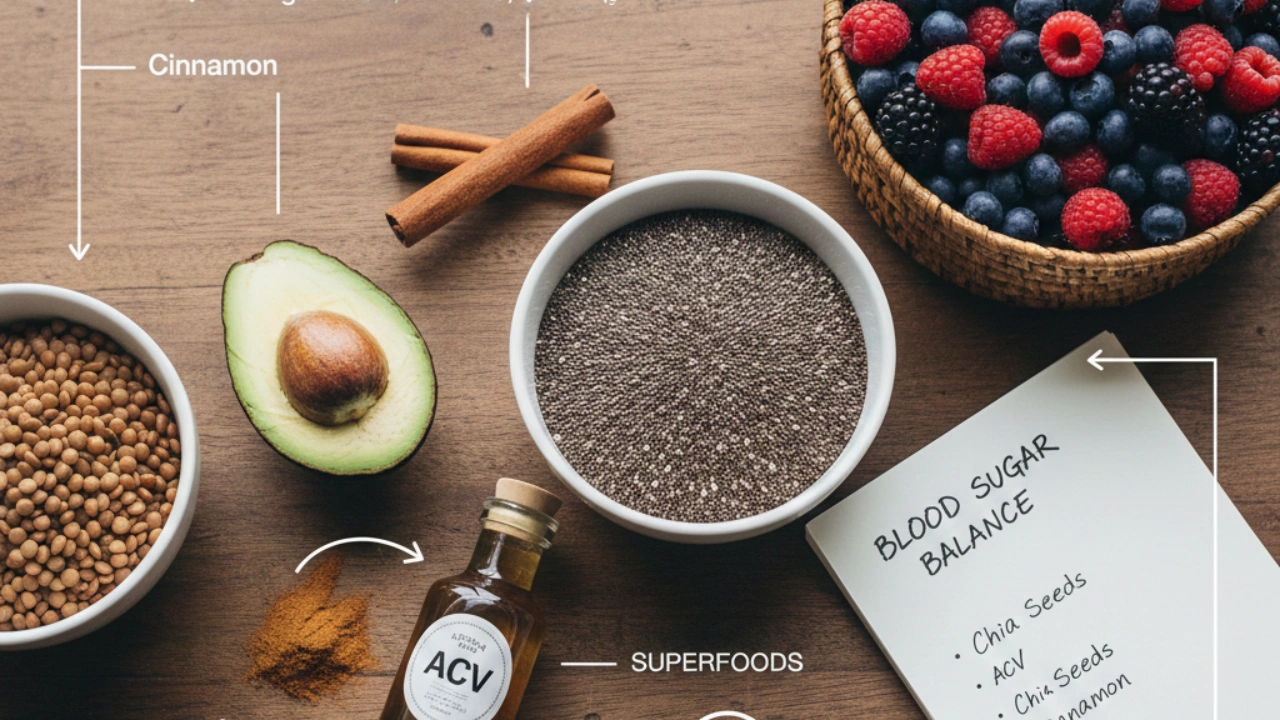
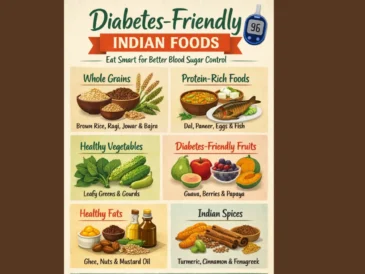
Increasing consumption of fruits, vegetables, whole grains, and lean proteins
-
Maintaining a healthy body weight
-
Prioritising quality sleep and stress management
Even modest weight loss—around 5 to 10 percent of body weight—can significantly reduce liver fat.
A Wake-Up Call for Young India
The rising prevalence of fatty liver among India’s youth reflects broader lifestyle shifts in a fast-paced, technology-driven society. While career ambitions and digital convenience define modern living, health cannot be sidelined.
Experts emphasize that prevention must start early. Schools, workplaces, and families all have a role to play in promoting healthier routines, encouraging physical activity, and raising awareness about balanced nutrition.
If current trends continue unchecked, fatty liver disease could place a significant burden on India’s healthcare system in the decades ahead. However, with timely intervention and lifestyle modifications, this silent epidemic can be reversed—one healthier choice at a time.