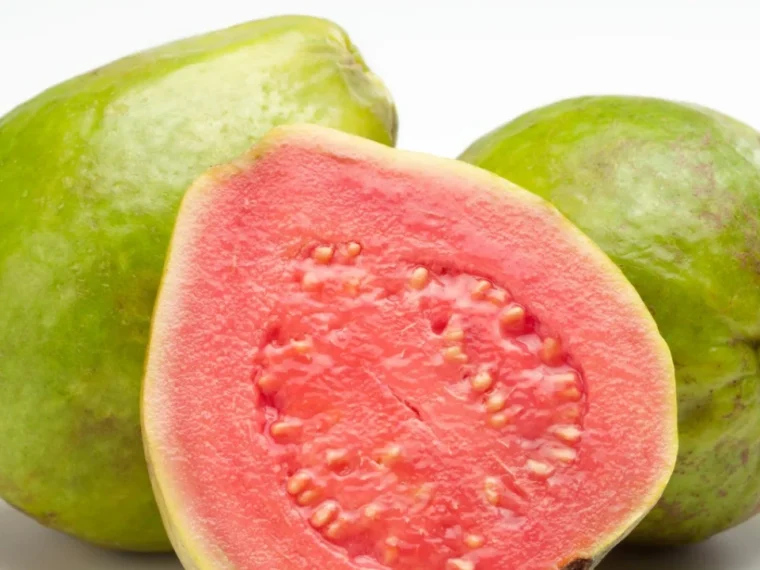
Guava is one of the most nutrient-dense and affordable fruits available in India and across tropical regions. Known scientifically as Psidium guajava, guava is rich in vitamin C, fiber, antioxidants, and essential minerals. Whether eaten raw, juiced, or added to salads, this humble fruit offers powerful health benefits backed by nutrition science.
In this detailed guide, we explore the proven benefits of guava, who should eat it, how much is safe, and why it deserves a place in your daily diet.1. Boosts Immunity Naturally
Guava is exceptionally high in vitamin C—often containing more than oranges per serving. Vitamin C plays a key role in strengthening the immune system, helping the body fight infections and reduce inflammation.
Regular consumption may:
-
Reduce the frequency of common colds
-
Support faster wound healing
-
Improve skin repair
Because of its antioxidant content, guava also helps neutralize harmful free radicals in the body.
2. Excellent for Digestive Health
Guava is packed with dietary fiber, which promotes healthy digestion. One medium guava can provide a significant portion of your daily fiber requirement.
Benefits include:
-
Preventing constipation
-
Supporting gut bacteria
-
Improving bowel movement regularity
The fruit’s natural laxative properties make it especially helpful for people with mild digestive issues.
3. Supports Heart Health
Guava contains potassium and soluble fiber, both of which contribute to heart health.
Research suggests guava may:
-
Help regulate blood pressure
-
Reduce bad cholesterol (LDL)
-
Improve good cholesterol (HDL) levels
The antioxidants in guava also reduce oxidative stress, which is linked to cardiovascular disease.
4. Helps Manage Blood Sugar Levels
Guava has a low glycemic index and high fiber content, making it suitable for people monitoring blood sugar levels.
The fiber slows down sugar absorption, helping prevent sudden spikes. Some studies indicate that guava leaf extract may improve insulin sensitivity.
However, people with diabetes should consume it in moderation and consult a healthcare professional before making major dietary changes.
5. Promotes Healthy Skin
The antioxidants and vitamin C in guava support collagen production, which is essential for firm, youthful skin.
Potential skin benefits:
-
Reduces signs of aging
-
Protects against sun damage
-
Improves skin texture
Guava leaf extracts are also used in traditional skincare remedies for acne and inflammation.
6. Aids in Weight Management
Guava is low in calories but high in fiber, making it filling and satisfying.
Because it:
-
Controls appetite
-
Prevents overeating
-
Provides essential nutrients without excess calories
It can be an excellent addition to weight-loss diets.
7. May Improve Brain Function
Guava contains B vitamins such as B6 and niacin, which support brain function and improve blood circulation.
Vitamin B6 is especially important for:
-
Cognitive development
-
Mood regulation
-
Nervous system health
Including guava in a balanced diet may contribute to better focus and mental clarity.
8. Supports Eye Health
Guava contains vitamin A and antioxidants that help protect eye health.
These nutrients:
-
Reduce risk of age-related macular degeneration
-
Support vision in low light
-
Protect against oxidative stress
Regular fruit intake, including guava, contributes to long-term eye protection.
9. Rich in Antioxidants
Guava contains lycopene, quercetin, and vitamin C—powerful antioxidants that protect cells from damage.
Lycopene, especially found in pink guava varieties, has been linked to reduced risk of certain chronic diseases.
Antioxidants:
-
Fight inflammation
-
Support overall immunity
-
Reduce chronic disease risk
10. May Reduce Menstrual Pain
Some studies suggest guava leaf extract may help relieve menstrual cramps.
It may:
-
Reduce uterine contractions
-
Decrease pain intensity
While more research is needed, traditional medicine has long used guava leaves for this purpose.
11. Improves Respiratory Health
Guava is traditionally used to treat coughs and colds. Its antimicrobial and anti-inflammatory properties may help clear mucus and soothe the respiratory tract.
Guava leaf decoctions are commonly used in herbal remedies for respiratory discomfort.
12. Strengthens Bones
Guava contains magnesium, calcium, and vitamin K, all essential for bone health.
Regular intake may:
-
Improve bone density
-
Support muscle function
-
Reduce risk of osteoporosis
Nutritional Value of Guava (Per 100g Approx.)
-
Calories: ~68 kcal
-
Vitamin C: High (over 200% of daily requirement)
-
Fiber: ~5g
-
Potassium: ~417mg
-
Vitamin A: Moderate
-
Folate: Present
These values make guava one of the most nutrient-rich fruits per calorie.
Who Should Be Careful?
While guava is generally safe, certain individuals should consume it carefully:
-
People with sensitive digestion (excess fiber may cause bloating)
-
Those with severe diabetes (monitor portion size)
-
Individuals allergic to tropical fruits
Always consult a registered healthcare professional if you have chronic conditions.
How to Add Guava to Your Diet
-
Eat fresh slices with black salt
-
Blend into smoothies
-
Add to fruit salads
-
Use in chutneys or juices
-
Brew guava leaf tea
For maximum benefits, consume fresh and ripe guava rather than processed forms.
Guava is not just a delicious fruit—it’s a nutritional powerhouse. From boosting immunity and improving digestion to supporting heart health and weight management, the benefits of guava are supported by scientific evidence and traditional wisdom.
Adding guava to your daily routine is a simple, affordable step toward better overall health. As with any food, moderation and balance are key.
If you’re looking for a natural way to improve immunity, digestion, and heart health, guava deserves a regular spot in your diet.