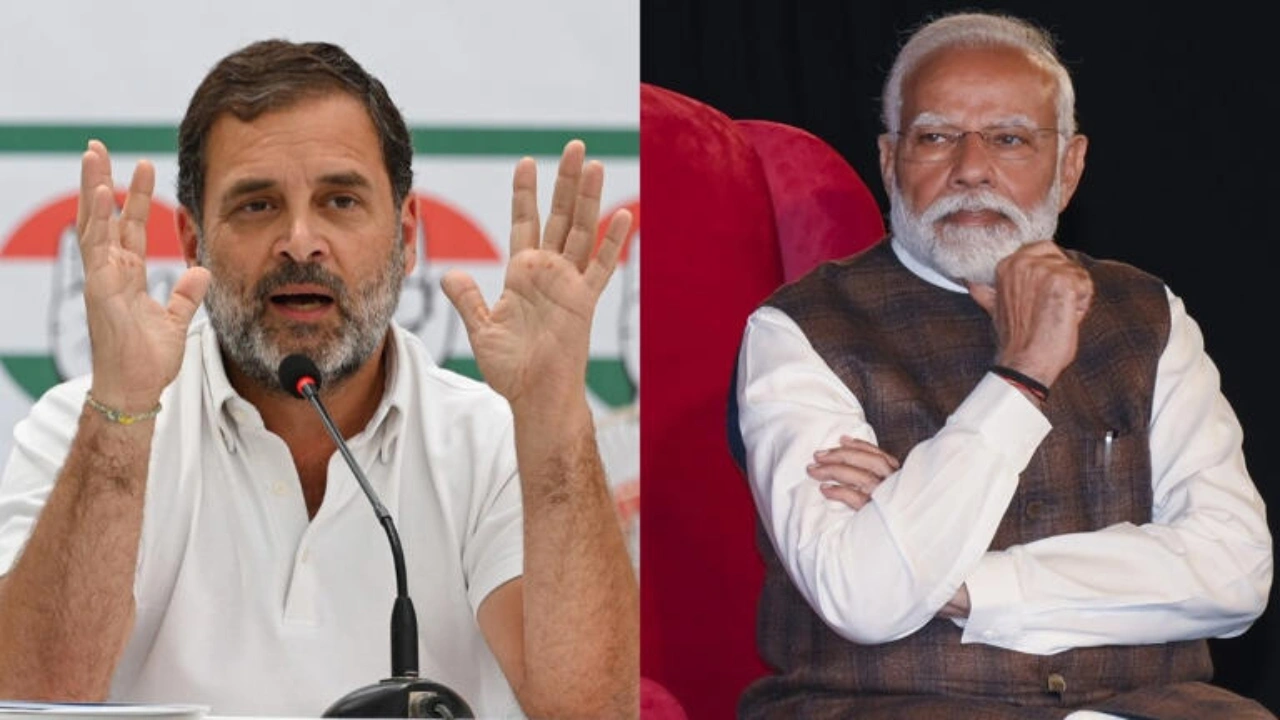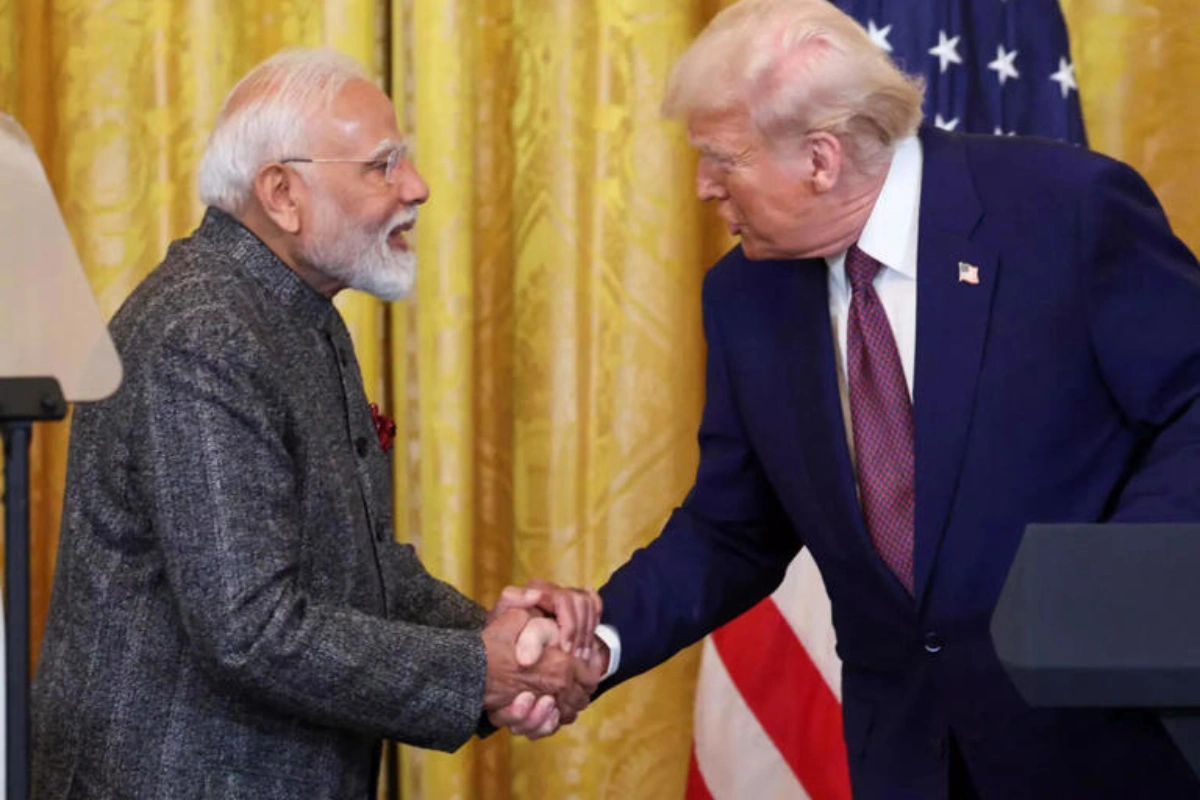
India delivered a strong and unambiguous message at the United Nations Security Council (UNSC), firmly calling out Pakistan as a state that uses terrorism as an instrument of official policy. Responding to what it described as a “false and self-serving narrative” presented by Pakistan on Operation Sindoor, India made it clear that attempts to normalize terrorism will never be accepted by the international community.
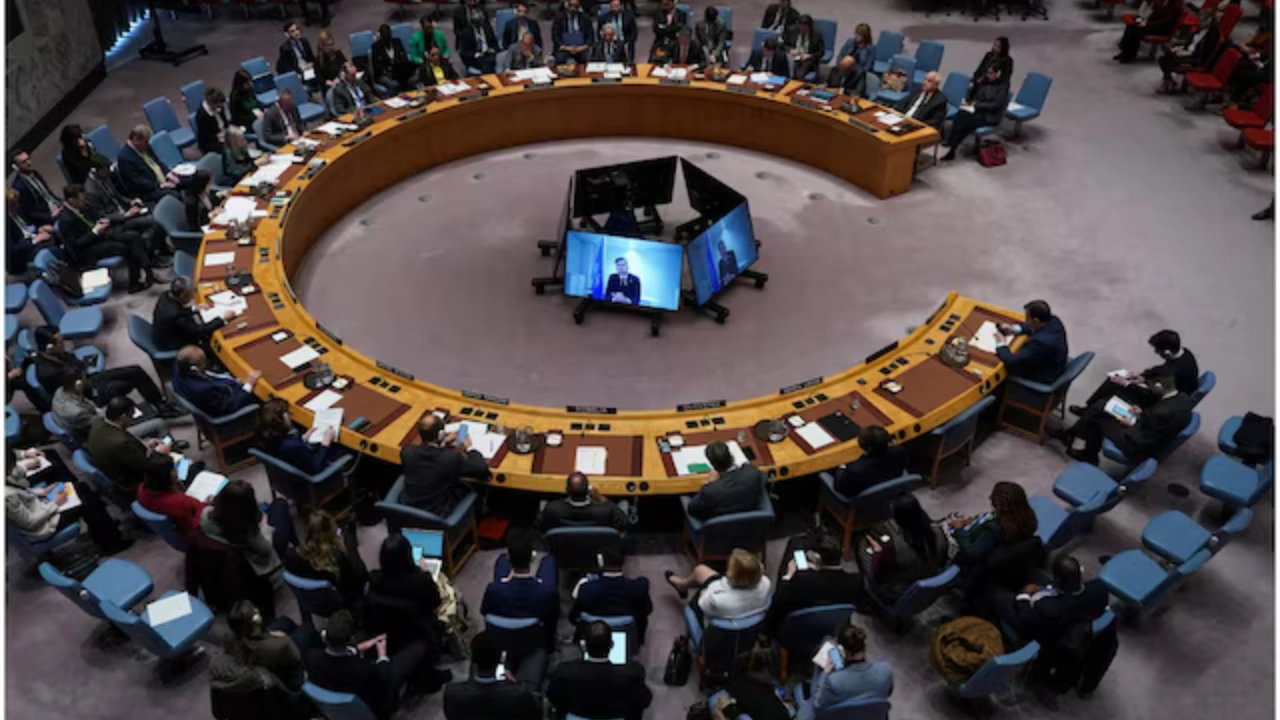
India’s Permanent Representative to the United Nations, Ambassador Parvathaneni Harish, strongly rebutted remarks made by Pakistan’s Ambassador Asim Iftikhar Ahmad during an open debate at the UNSC on the theme “Reaffirming the Rule of Law: Pathways to Peace, Justice and Multilateralism.” Pakistan had used the forum to raise issues related to Operation Sindoor, Jammu and Kashmir, and the Indus Waters Treaty.
Ambassador Harish said that despite being an elected member of the Security Council, Pakistan continues to pursue a single-point agenda aimed at harming India and its people. He underlined that Pakistan seeks to project terrorism as a “new normal,” a concept India categorically rejects. “Terrorism can never be normalized,” Harish said, adding that the international community cannot be expected to tolerate the repeated use of terrorism as a tool of state policy.
India reiterated that Operation Sindoor was launched in response to the brutal terrorist attack in Pahalgam in April 2025, in which 26 innocent civilians lost their lives. Harish reminded the Council that the UNSC itself had strongly condemned the attack and had called for accountability of the perpetrators, organizers, financiers, and sponsors of the act. “We did exactly what this august body had called for,” he stated.
The Indian envoy emphasized that India’s actions under Operation Sindoor were measured, responsible, and non-escalatory. The operation focused solely on dismantling terrorist infrastructure and neutralizing terror elements operating from Pakistan and Pakistan-occupied Kashmir (PoK). He noted that while Pakistan continued to issue threats against India until May 9, it was the Pakistani military that reached out on May 10 seeking a halt to hostilities.
Harish also pointed out that credible evidence of damage to Pakistani air force bases, including destroyed runways and burnt hangars, is available in the public domain. Despite this, Pakistan continues to distort facts and mislead international platforms, he said.
On Pakistan raising the issue of Jammu and Kashmir, India delivered a sharp response. Ambassador Harish asserted that Pakistan has no locus standi to comment on India’s internal affairs. “Jammu and Kashmir has been, is, and will always remain an integral and inalienable part of India,” he declared.
Addressing the Indus Waters Treaty, Harish said the agreement was signed 65 years ago in a spirit of goodwill and friendship. However, Pakistan has repeatedly violated its spirit by waging wars and sponsoring thousands of terrorist attacks that have claimed countless Indian lives. In light of the Pahalgam attack, India was left with no choice but to suspend the treaty until Pakistan credibly and irreversibly ends its support for cross-border terrorism.
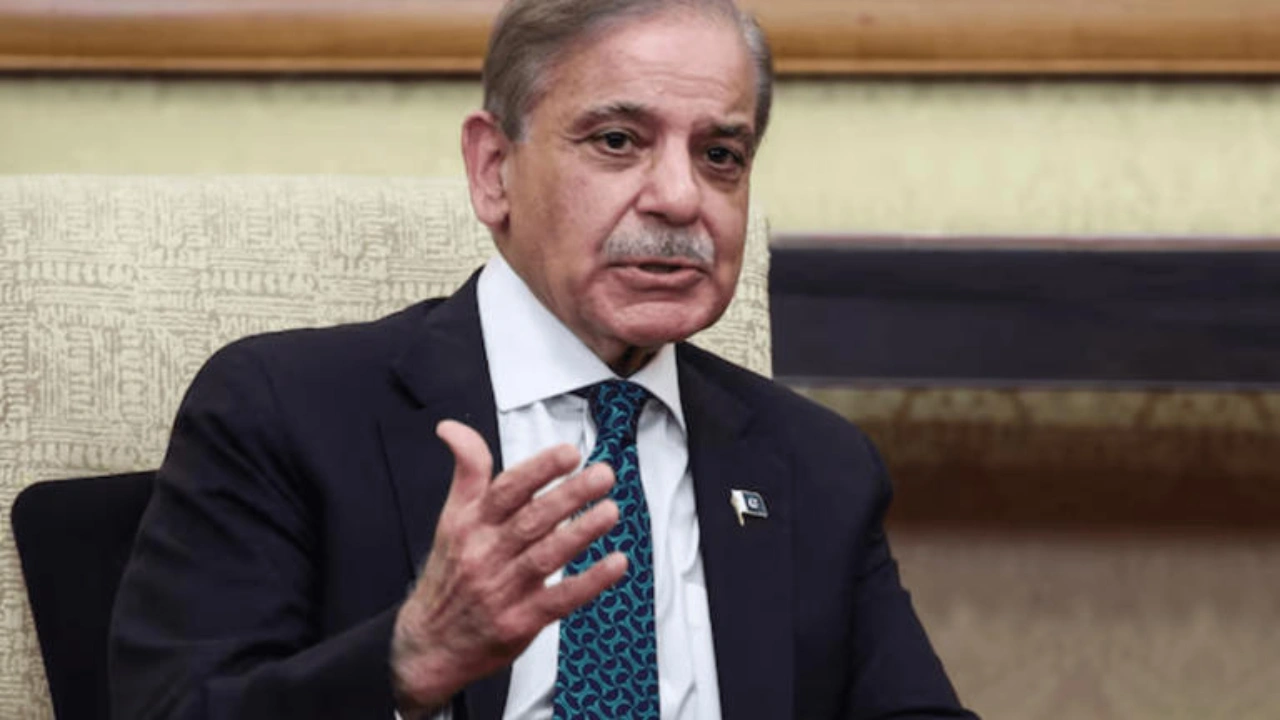
India also urged Pakistan to introspect on its claims of upholding the rule of law. Harish referred to Pakistan’s 27th Constitutional Amendment, passed under Prime Minister Shehbaz Sharif’s government, which grants lifelong legal immunity to military leadership. He described this as a serious blow to democratic principles and the rule of law.
Concluding his remarks, Ambassador Harish stated that the UNSC cannot become a मंच to legitimize terrorism. India, he said, will continue to take all necessary measures to safeguard its citizens and uphold international peace and security.