How to Identify Plastic Eggs
Eggs are a daily staple in many households due to their high protein content and affordability. However, in recent years, concerns about fake or plastic eggs have surfaced across social media and news platforms, creating confusion and fear among consumers. While food safety authorities state that fake eggs are extremely rare, knowing how to identify real eggs vs fake eggs without breaking them can help consumers stay alert and confident.
This article explains practical, non-destructive methods to identify plastic eggs, clears common myths, and shares expert-backed safety tips.
What Are Fake or Plastic Eggs?
Fake eggs are artificially manufactured products designed to resemble real eggs in shape and appearance. They are typically made using synthetic materials such as resin, gelatin, and food coloring. These eggs are often reported in isolated incidents and are not part of mainstream food supply chains in most countries.
Despite viral claims, plastic eggs are not commonly found in regulated markets. Still, consumer awareness is essential.
1. Observe the Shell Texture and Appearance
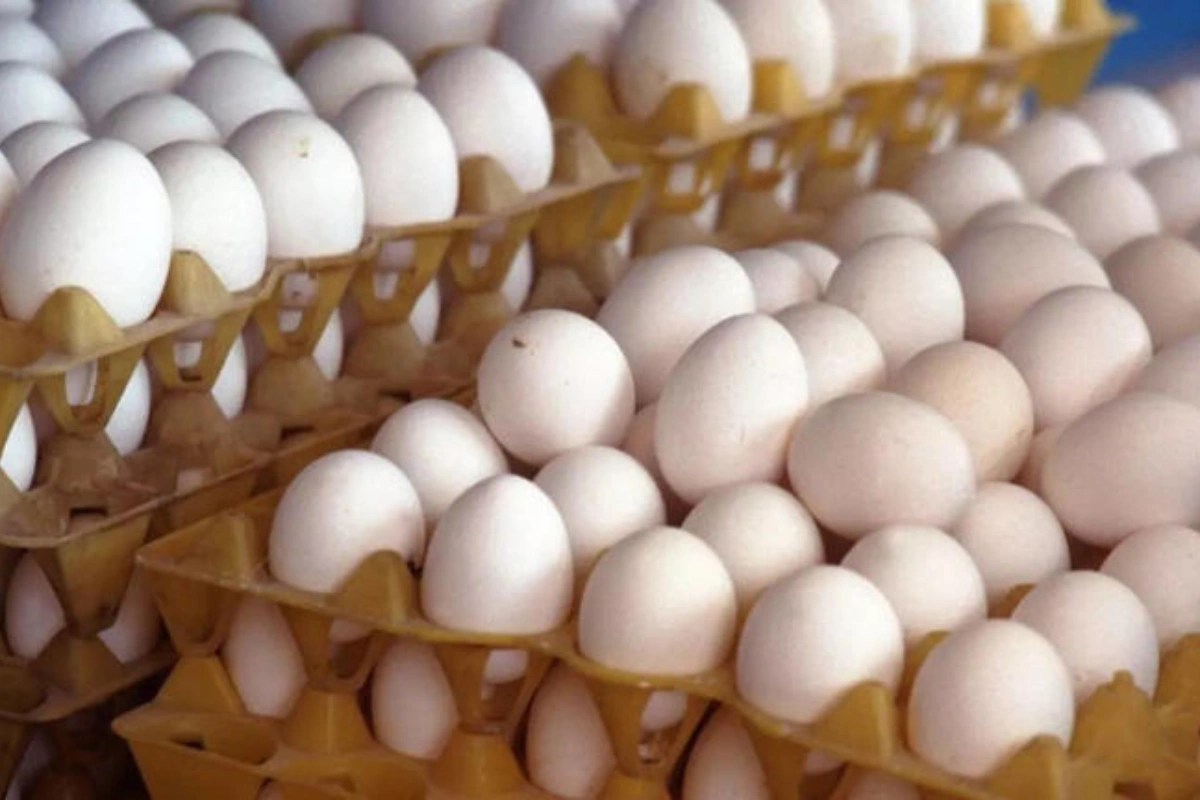
Real eggs have a slightly rough, chalky texture due to natural calcium deposits. When you gently rub a real egg, it doesn’t feel perfectly smooth.
Fake eggs, on the other hand, often appear overly shiny and smooth, almost polished. Uniform shell color and identical size across multiple eggs can also raise suspicion.
Tip: Natural eggs vary slightly in shape, size, and color.
2. Check the Weight Without Breaking the Egg
Hold the egg in your hand and compare it with another egg of similar size.
-
Real eggs feel naturally balanced and slightly heavy due to liquid content.
-
Fake eggs may feel unusually light or oddly heavy depending on materials used.
Plastic eggs may also feel less dense or unnaturally solid.
3. Shake Test (Listen Carefully)
Gently shake the egg close to your ear.
-
A real egg usually produces no sound or a very faint sloshing noise.
-
A fake egg may produce a noticeable liquid or hollow sound due to artificial filling.
Avoid shaking too hard, as real eggs can crack.
4. Shell Temperature Test
Real eggs adjust to room temperature gradually when held in your palm. The shell warms up naturally within a few seconds.
Fake eggs often remain cool longer or feel unnaturally cold, as plastic does not absorb heat like natural calcium shells.
5. Smell Test (Without Cracking)
Fresh real eggs have no smell at all.
Fake eggs may emit a faint chemical or plastic-like odor, especially when rubbed lightly between hands. If an egg smells artificial, avoid consuming it.
6. Spin Test on a Flat Surface
Place the egg on a table and gently spin it.
-
Real eggs spin slowly and wobble due to liquid inside.
-
Fake eggs may spin too smoothly or rapidly because of solid or gel-like interiors.
This method works best when comparing multiple eggs side by side.
7. Check Packaging and Source
Authentic eggs come with:
-
FSSAI mark (in India)
-
Farm name or batch number
-
Expiry or packing date
Loose eggs without traceable sourcing are more likely to raise quality concerns—not necessarily fake, but possibly unhygienic.
Common Myths About Plastic Eggs
-
❌ All cheap eggs are fake
-
❌ Street vendors sell only fake eggs
-
❌ Plastic eggs melt easily in water
These claims are mostly exaggerated. Most reported cases involve isolated incidents or misinformation.
Expert Advice on Egg Safety
Food safety experts recommend:
-
Buy eggs from licensed vendors
-
Store eggs in cool conditions
-
Avoid eggs with chemical smell or unnatural shine
-
Cook eggs thoroughly to avoid foodborne illness
If you suspect a fake egg, do not consume it and report it to local food authorities.
Fake eggs are rare, but awareness is essential. Simple non-breaking tests like checking texture, temperature, spin, and smell can help identify suspicious eggs. Buying from trusted sources remains the safest option.
Staying informed—not fearful—is the best defense against food fraud.
About the Author