T20 World Cup
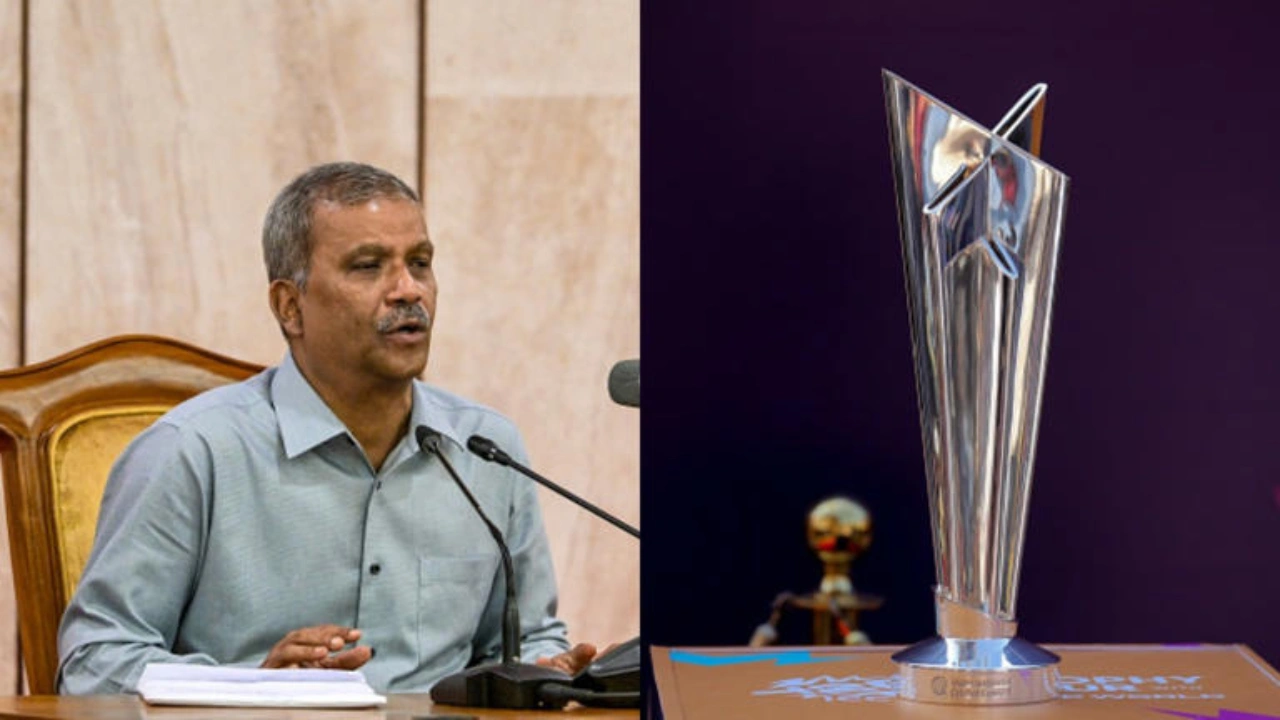
Bangladesh’s interim sports adviser Asif Nazrul has revised his stance on the country’s recent withdrawal from the ICC T20 World Cup, reframing the controversial decision as one led by the Bangladesh Cricket Board (BCB) and players rather than the government.
The development marks a notable shift in tone from Nazrul’s earlier statements, when he had strongly indicated that participation in the tournament was a matter of government authority. At that time, he cited security concerns and what he described as a “hostile environment” in India as the primary reasons for pulling out of the global event.
However, speaking to reporters this week, Nazrul characterized the withdrawal as a collective and patriotic decision. He stated that the BCB and players chose to forgo the tournament to safeguard national dignity and prioritize the safety of Bangladesh cricket.
“There is no question of regret,” Nazrul said. “This decision was taken by the BCB and the players as they made sacrifices for the safety of the country’s cricket and to protect national dignity.”
Background to the Controversy
The dispute dates back to early January, when Bangladeshi pacer Mustafizur Rahman was released from his franchise commitments with Kolkata Knight Riders (KKR) amid political pressure in India. The incident intensified political sensitivities around Bangladesh’s participation in matches scheduled to be held in India as part of the T20 World Cup.
In response, the BCB, supported by the interim government, formally requested that Bangladesh’s group-stage fixtures be relocated to co-host Sri Lanka. When the International Cricket Council (ICC) declined to alter the schedule, Bangladesh announced its withdrawal from the tournament. Scotland was subsequently named as the replacement team.
At the time of the decision, Nazrul had taken a firm position, asserting that whether Bangladesh played in the tournament was “entirely a government decision.” That statement suggested a direct state-led boycott. The recent remarks, however, present the withdrawal as an internal cricketing decision endorsed by the board and players.
ICC Negotiations and Resolution
The withdrawal initially threatened to complicate the tournament’s planning and diplomatic balance. Reports indicated that Pakistan had briefly considered a boycott of its high-profile match against India in solidarity with Bangladesh, adding further tension to the situation.
A series of negotiations followed, culminating in high-level discussions in Lahore. Pakistan Cricket Board (PCB) chief Mohsin Naqvi later stated that while Pakistan did not negotiate in its own favor, it remained mindful of Bangladesh’s interests during the talks.
After extensive deliberations, the ICC opted for a conciliatory approach rather than punitive action. Despite Bangladesh breaching participation agreements by withdrawing, the ICC confirmed that no financial penalties or sporting sanctions would be imposed on the BCB.
Additionally, Bangladesh has reportedly been prioritized as a potential host for an ICC event during the 2028–2031 cycle. The ICC also assured that the BCB would receive its full share of tournament revenue, helping maintain financial stability within Bangladesh’s domestic cricket structure.
Nazrul described the outcome of the Lahore discussions as a positive achievement, commending the BCB for navigating a complex crisis without facing suspension or financial losses.
Mixed Reactions
While the administrative resolution has ensured that Bangladesh’s cricketing finances remain intact, fans have expressed disappointment at not seeing the national team compete in the tournament. The episode has sparked debate within the cricket community about governance, political influence, and the autonomy of sporting bodies.
The shifting narrative surrounding the withdrawal has further fueled discussion, particularly regarding the balance between governmental authority and cricket board independence in major international events.
For now, Bangladesh’s absence from the T20 World Cup remains a significant chapter in the tournament’s history. Though the team will not take the field this month, the BCB has secured assurances of future hosting opportunities and financial continuity — outcomes that officials describe as crucial for the long-term health of the sport in the country.
About the Author