Rafale Deal
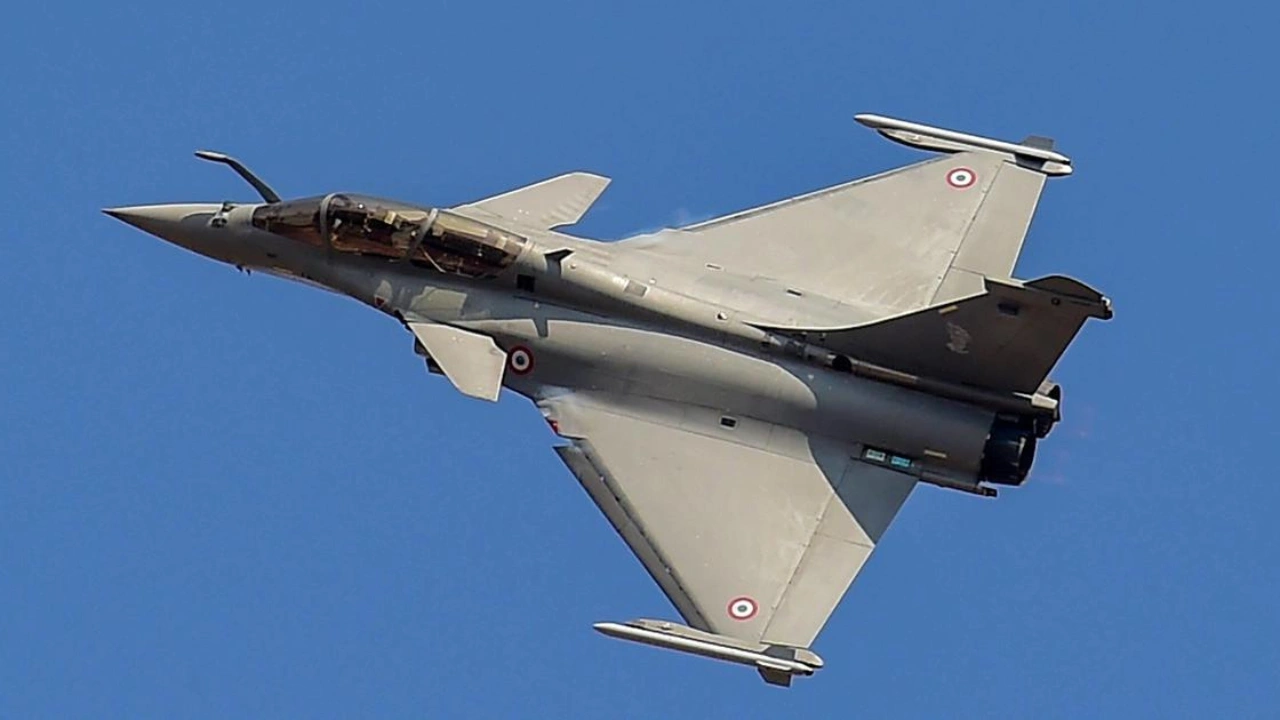
India is on the brink of approving one of its most ambitious defence acquisitions as the government prepares to move forward with the long-awaited 114 Multi-Role Fighter Aircraft (MRFA) program. With regional security dynamics evolving rapidly, the proposed induction of a large fleet of Rafale fighter jets is being viewed as a decisive step toward restoring the Indian Air Force’s combat edge.
Sources indicate that the Defence Acquisition Council (DAC), chaired by Defence Minister Rajnath Singh, is scheduled to meet on February 12, where it is expected to grant the critical Acceptance of Necessity (AoN) for the procurement. This approval would formally clear the way for the next stages of the acquisition process.
The development comes ahead of French President Emmanuel Macron’s state visit to India later this month, underlining the strategic importance of Indo-French defence cooperation at a time of heightened geopolitical competition in Asia.
A Strategic Investment in Air Superiority
The proposal involves the acquisition of 114 Rafale fighter aircraft at an estimated cost of ₹3.25 lakh crore (approximately $39 billion), making it one of the largest defence deals in India’s history. The plan has already received clearance from the Defence Procurement Board (DPB), chaired by the Defence Secretary, with the DAC approval being the final institutional hurdle before issuing a formal tender.
Under the proposed structure, 18 aircraft will be procured directly from France in fly-away condition, ensuring rapid induction, while the remaining 96 jets will be manufactured in India through a strategic partnership. This approach aligns with the government’s “Make in India” initiative and is expected to significantly boost domestic aerospace manufacturing capabilities.
Addressing the Squadron Shortfall
The Indian Air Force currently operates around 29–30 fighter squadrons, far below the sanctioned strength of 42 squadrons considered necessary to handle a potential two-front contingency involving both China and Pakistan. Aging Soviet-origin platforms such as the MiG-21s and MiG-27s have steadily been phased out, creating urgent capability gaps.
The large-scale Rafale induction is intended to bridge this shortfall while simultaneously enhancing the IAF’s qualitative edge. Defence planners view the aircraft as a force multiplier, capable of performing air dominance, deep strike, reconnaissance, and nuclear deterrence roles within a single platform.
Why Rafale Fits India’s Strategic Needs
The Rafale has already proven its operational value since entering service with the IAF. Equipped with advanced radar systems, long-range precision weapons, and sophisticated electronic warfare suites, the aircraft is well-suited for modern high-intensity conflicts.
Its performance in high-altitude Himalayan conditions has been a key factor in its selection, particularly in the context of India’s standoff with China along the Line of Actual Control. Against Pakistan, the platform provides extended reach, survivability, and stand-off strike capability, strengthening deterrence across the western front.
From Approval to Induction: The Road Ahead
Once AoN is granted, the acquisition process will proceed through several structured stages to ensure transparency and value for money:
-
Acceptance of Necessity (AoN): Formal approval by the DAC.
-
Request for Proposal (RFP): Issued by the Ministry of Defence outlining technical and commercial requirements.
-
Technical and Commercial Evaluations: Assessment of compliance, technology transfer, and indigenous manufacturing commitments.
-
Contract Negotiation Committee (CNC): Detailed negotiations on pricing, maintenance, weapons packages, and India-specific enhancements.
-
Cabinet Committee on Security (CCS) Approval: Final clearance for expenditure.
-
Contract Signing: Legal finalisation of the agreement.
Defence officials caution that while AoN approval is a major milestone, the final contract could still take considerable time due to the scale and complexity of the deal.
Indo-French Defence Ties Gain Depth
The timing of the DAC meeting highlights the deepening India–France strategic partnership, particularly in defence and advanced technology. France has emerged as one of India’s most trusted defence partners, offering not only platforms but also long-term cooperation, technology sharing, and industrial collaboration.
If approved, the Rafale MRFA program will not only reshape the IAF’s combat capability but also signal India’s intent to assert air dominance while positioning itself as a growing global aerospace manufacturing hub.
About the Author