Diabetes-Friendly Indian Foods
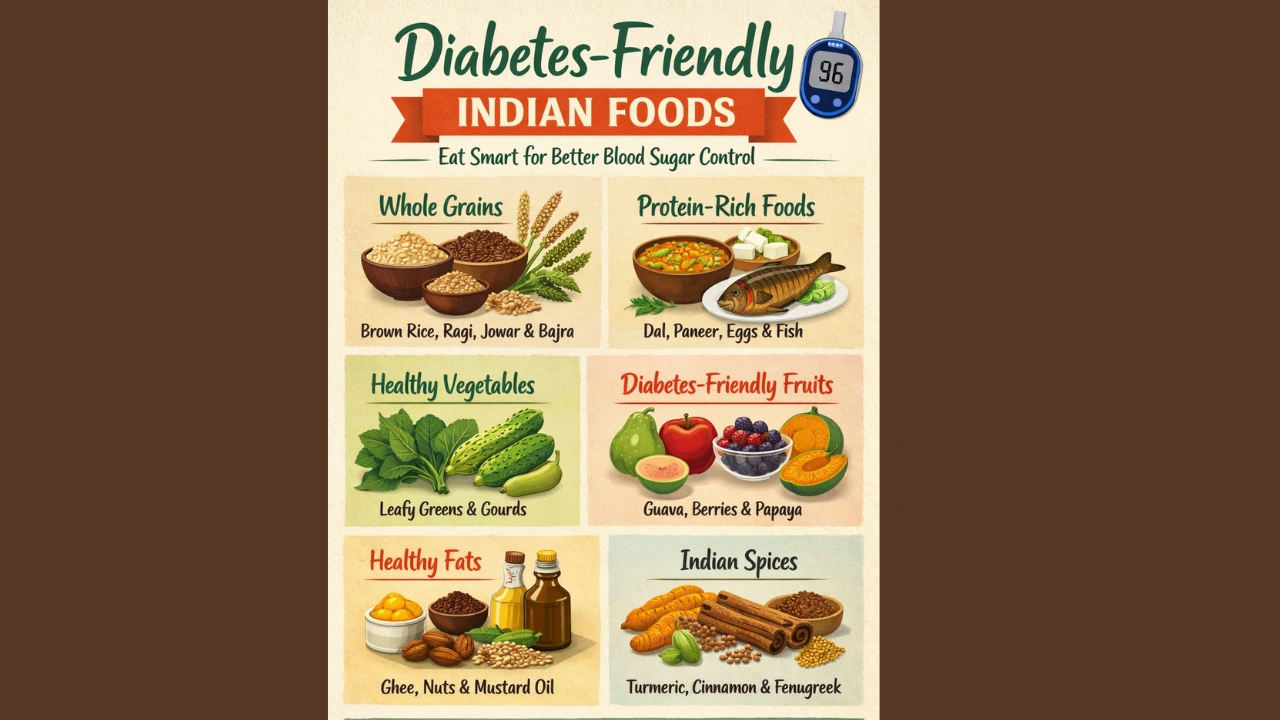
Diabetes-Friendly Indian Foods: Diabetes is no longer a rare health condition in India; it affects millions of people across age groups and lifestyles. While medication and regular monitoring are essential, diet plays a critical role in managing blood sugar levels. The good news is that Indian cuisine—often misunderstood as carb-heavy—offers a wide range of diabetes-friendly foods when chosen and prepared wisely.
With the right balance of fiber, protein, healthy fats, and low-glycaemic ingredients, traditional Indian foods can support stable blood sugar and overall well-being.
Whole Grains Over Refined Carbs
One of the most important dietary shifts for people with diabetes is replacing refined grains with whole grains. Instead of maida-based foods, opt for whole wheat, millets, and unpolished grains.
-
Ragi (Finger Millet): Rich in fiber and calcium, ragi helps slow glucose absorption and improves insulin response.
-
Jowar and Bajra: These millets have a low glycaemic index and keep you full for longer.
-
Brown Rice and Hand-Pounded Rice: Better alternatives to white rice when eaten in controlled portions.
Protein-Rich Indian Staples
Protein helps regulate blood sugar by slowing digestion and preventing spikes after meals. Indian kitchens already include several excellent protein sources.
-
Lentils and Pulses (Dal): Moong dal, masoor dal, and chana dal are high in protein and fiber.
-
Paneer (in moderation): A good source of protein and fat, ideal for stabilizing blood sugar.
-
Eggs and Fish: Lean proteins that are especially beneficial for people with type 2 diabetes.
Vegetables That Support Blood Sugar Control
Non-starchy vegetables should form a large part of a diabetes-friendly Indian plate.
-
Leafy Greens: Spinach (palak), fenugreek leaves (methi), and amaranth are rich in antioxidants and fiber.
-
Gourds: Bottle gourd (lauki), ridge gourd (turai), bitter gourd (karela), and ash gourd help improve insulin sensitivity.
-
Cruciferous Vegetables: Cabbage, cauliflower, and broccoli support metabolic health.
Healthy Indian Fats
Contrary to popular belief, fats are not the enemy when managing diabetes—choosing the right fats is key.
-
Mustard Oil and Groundnut Oil: Traditional cooking oils rich in healthy fats.
-
Ghee (in small quantities): Helps improve satiety and prevents overeating.
-
Nuts and Seeds: Almonds, walnuts, flaxseeds, and chia seeds help control sugar spikes.
Diabetes-Friendly Fruits
Fruits can be included in moderation, focusing on low-glycaemic options.
-
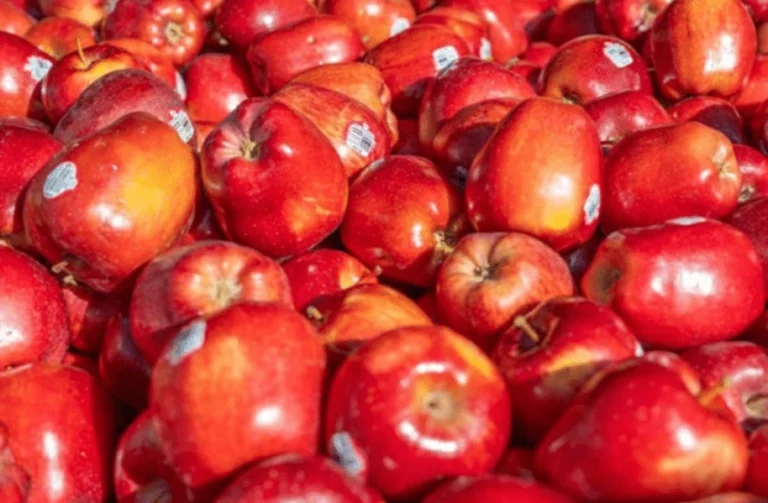
Guava and Apples: High in fiber and vitamin C.
-
Berries: Strawberries and blueberries help improve insulin sensitivity.
-
Papaya: Safe when eaten in controlled portions.
Avoid fruit juices and prefer whole fruits to retain fiber.
Indian Herbs and Spices That Help
Indian cooking naturally uses spices that offer metabolic benefits.
-
Turmeric: Reduces inflammation and supports insulin function.
-
Cinnamon: Helps lower fasting blood sugar levels.
-
Fenugreek Seeds: Known to improve glucose tolerance.
Smart Cooking Methods Matter
Even healthy foods can become harmful if cooked improperly. Prefer steaming, sautéing, grilling, or pressure cooking over deep frying. Portion control and regular meal timing are equally important.
The Bottom Line
Managing diabetes doesn’t mean giving up Indian food. With mindful choices, portion control, and balanced meals, traditional Indian foods can be both comforting and therapeutic. A diabetes-friendly Indian diet focuses on whole grains, protein, vegetables, healthy fats, and natural spices—proving that good health and great taste can go hand in hand.
About the Author