High-Protein Food
Eggs are often considered a nutritional powerhouse, especially for their high protein content and versatility. However, not everyone consumes eggs. Some people avoid them due to allergies, dietary preferences like vegetarianism or veganism, religious beliefs, or rising egg prices. The good news is that eggs are not the only high-protein option. With the right choices, you can easily meet your daily protein needs without relying on eggs.
This article explores high-protein food alternatives to eggs, backed by nutritional science and practical dietary experience.
Why Protein Matters
Protein plays a vital role in muscle repair, immune function, hormone production, and overall energy levels. According to nutrition experts, adults should aim for adequate protein intake daily to support metabolism and long-term health. Whether you are working toward weight management, muscle building, or general wellness, protein-rich foods are essential.
1. Greek Yogurt and Skyr
Greek yogurt and skyr (an Icelandic cultured dairy product) are excellent egg alternatives. A single cup of plain Greek yogurt can provide 15–20 grams of protein, depending on the brand.
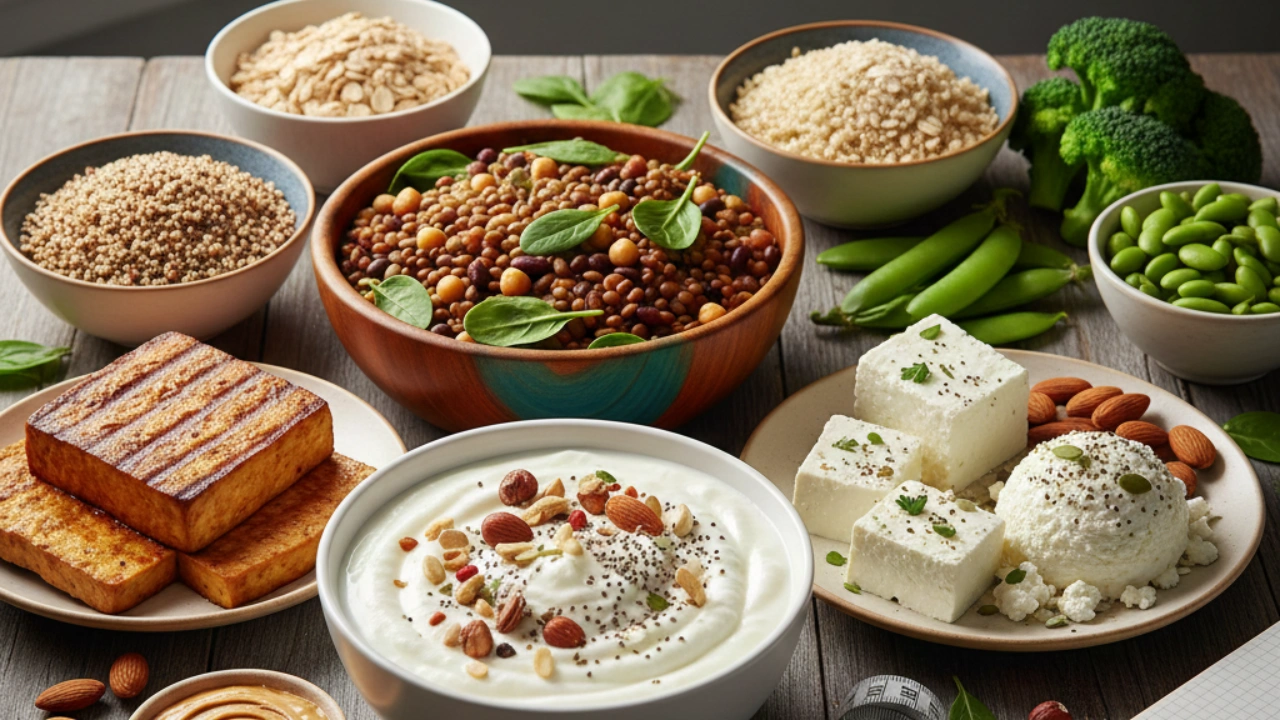
These dairy options are also rich in calcium and probiotics, which support gut health. Choose unsweetened varieties to avoid excess sugar and pair them with nuts or seeds for added nutrition.
2. Paneer and Cottage Cheese
Paneer and cottage cheese are popular high-protein dairy foods, especially in vegetarian diets. Cottage cheese offers around 11–14 grams of protein per 100 grams, while paneer provides slightly more along with healthy fats.
They are easy to include in meals such as stir-fries, salads, wraps, or grilled snacks, making them a practical replacement for eggs.
3. Lentils and Legumes
Lentils, chickpeas, kidney beans, and black beans are plant-based protein staples. Cooked lentils deliver about 9 grams of protein per half cup, along with fiber and iron.
When combined with whole grains like rice or roti, legumes provide a complete amino acid profile, making them an excellent egg substitute in balanced meals.
4. Tofu, Tempeh, and Soy Products
Soy-based foods are among the most complete plant protein sources. Tofu contains approximately 10 grams of protein per 100 grams, while tempeh offers even more due to its fermented nature.
These foods are versatile, absorb flavors well, and can be grilled, sautéed, or added to curries and salads. They are particularly valuable for vegans seeking egg-free protein options.
5. Nuts, Seeds, and Nut Butters
Almonds, peanuts, chia seeds, pumpkin seeds, and peanut butter are nutrient-dense protein sources. For example, peanut butter provides about 7–8 grams of protein per two tablespoons.
While they are higher in calories, moderate portions can support protein intake along with healthy fats that promote heart health.
6. Quinoa and Whole Grains
Quinoa stands out among grains as a complete protein, offering about 8 grams of protein per cooked cup. Oats, brown rice, and millets also contribute meaningful protein when consumed regularly.
These foods are especially useful for breakfast meals where eggs are commonly used.
7. Protein-Rich Vegetables
Vegetables like green peas, spinach, broccoli, and edamame may not seem protein-heavy, but they add up when included in large portions. Edamame, in particular, provides 11 grams of protein per half cup.
Eggs are convenient, but they are far from irreplaceable. A well-planned diet that includes dairy, legumes, soy products, whole grains, nuts, and vegetables can easily meet daily protein requirements. For best results, nutrition experts recommend variety, proper portion control, and combining plant proteins for optimal amino acid balance.
If you have specific health conditions or higher protein needs, consulting a registered dietitian can help personalize your diet safely and effectively.
About the Author