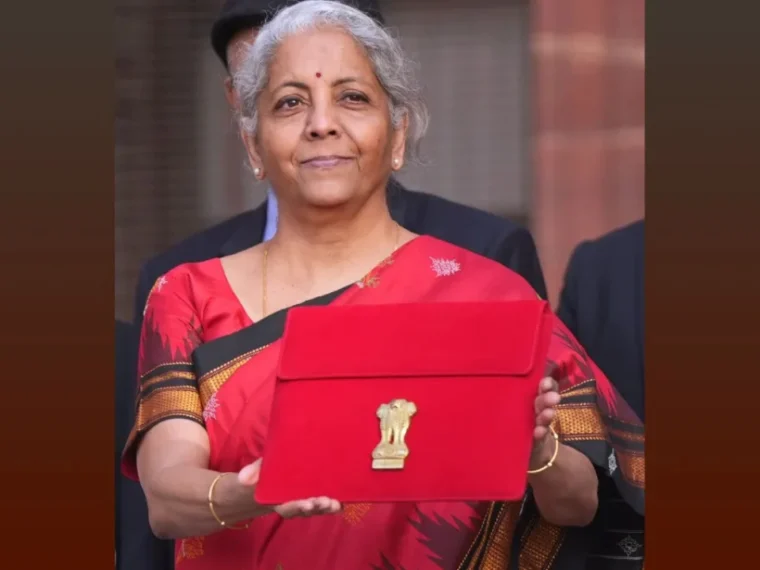
Budget 2026: Finance Minister Nirmala Sitharaman on Sunday unveiled a calibrated reset of customs duties in the Union Budget 2026, lowering import costs for households while extending targeted relief to exporters facing tougher barriers abroad.
At the centre of the package is a cut in the tariff on all dutiable goods imported for personal use—from 20 percent to 10 percent. The move is expected to deliver immediate savings for consumers and bring greater policy predictability to import-dependent segments that power modern retail and e-commerce.
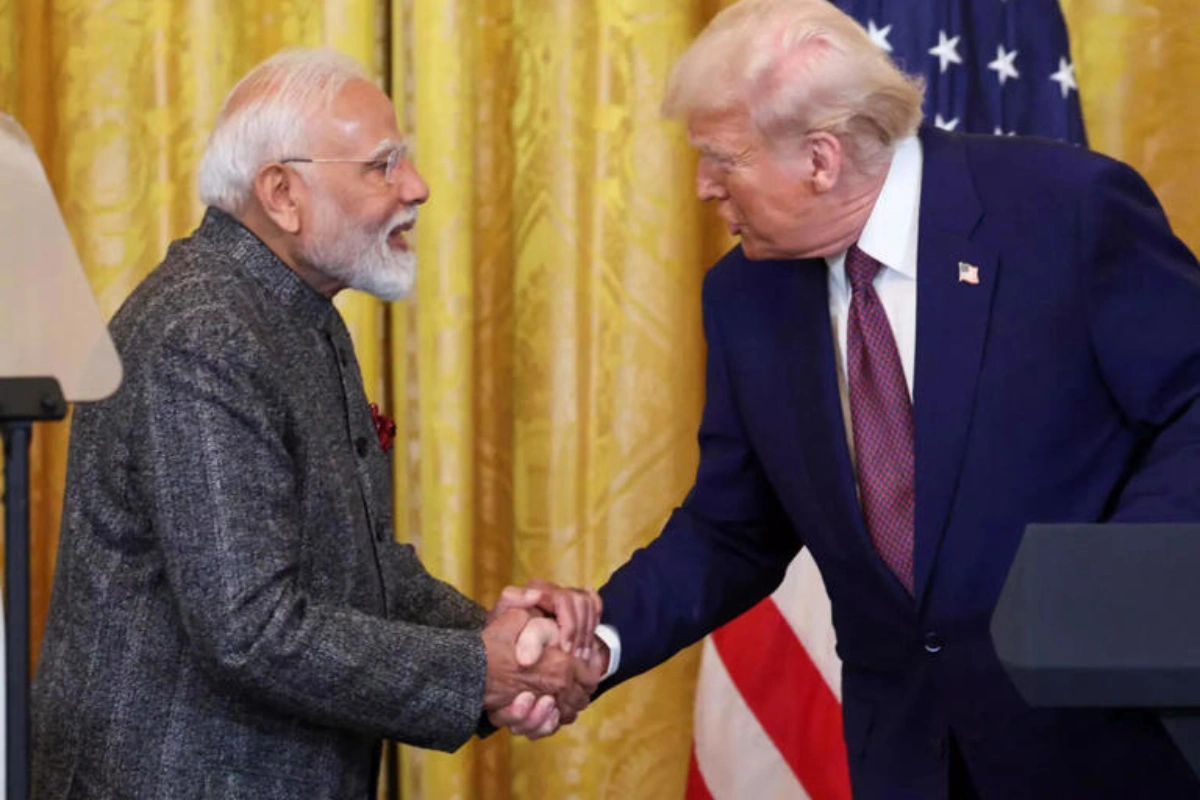
The customs overhaul comes as US President Donald Trump imposed 50 percent tariffs on several Indian exports, hitting sectors such as textiles and seafood. To cushion the impact, the Budget expands duty-free access to key inputs used by export-oriented industries.
Seafood processors, among the worst affected by the US tariffs, receive targeted support. Sitharaman proposed raising the limit for duty-free imports of specified inputs for seafood processing from one percent to three percent of the previous year’s export turnover. She also extended duty-free input benefits currently available to leather and synthetic footwear exports to include shoe uppers.
The higher ceiling allows exporters to source more raw materials at zero duty, lowering per-unit costs and helping maintain price competitiveness and employment in coastal clusters. Extending the footwear benefit upstream supports small, labour-intensive units that operate on thin margins.
The defence sector also gains. The Budget exempts basic customs duty on raw materials imported for manufacturing aircraft parts used in maintenance, repair and overhaul (MRO) by defence units. Cheaper access to certified inputs is expected to reduce turnaround times and retain more MRO work within India.
Clean energy and storage manufacturing receive broad support through duty exemptions aimed at accelerating domestic capacity. The government will extend basic customs duty exemptions on capital goods used to manufacture lithium-ion cells to include battery energy storage systems. It will also exempt duty on sodium antimonate used in solar glass production and on capital goods required for processing critical minerals in India—steps that lower upfront investment costs and speed technology adoption.
On long-term energy security, Sitharaman announced the extension of customs duty exemptions on imports for nuclear power projects until 2035, expanding the benefit to all nuclear plants regardless of capacity. The government will also back mineral-rich states such as Odisha, Kerala, Andhra Pradesh and Tamil Nadu in setting up dedicated rare-earth corridors.
Overall, the Budget avoids retaliatory tariffs while reinforcing competitiveness. By easing personal-use import duties and widening duty-free access for exporters and strategic sectors, Budget 2026 seeks to protect jobs, strengthen supply chains and position India as global trade conditions turn more restrictive.