
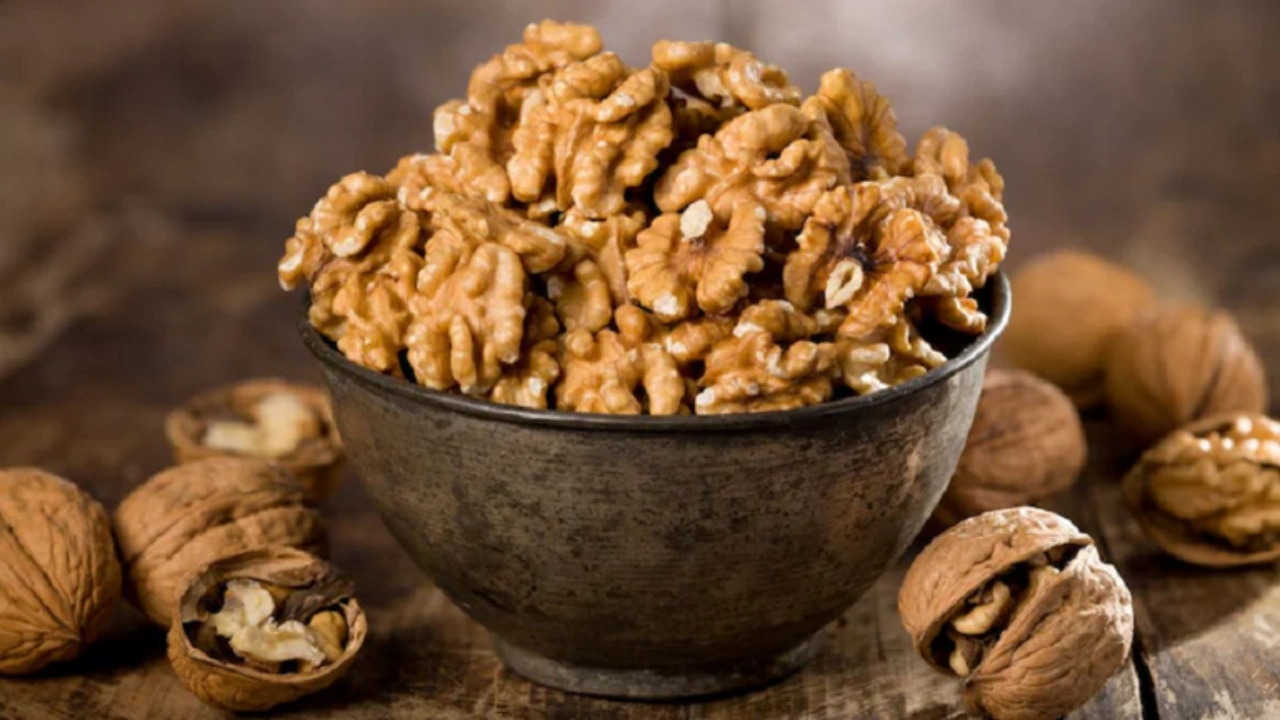
Walnuts Benefit
Walnuts are often called nature’s superfood, and for good reason. With their distinctive brain-like shape and rich nutritional profile, walnuts have been valued for centuries in traditional diets and modern nutrition science alike. Today, research continues to confirm that adding walnuts to your daily diet can deliver wide-ranging health benefits—from improved brain function to better heart health and overall longevity.
Nutritional Powerhouse in a Small Shell
Walnuts are packed with essential nutrients that support overall well-being. They are an excellent source of healthy fats, particularly omega-3 fatty acids, which are crucial for brain and heart health. In fact, walnuts are one of the richest plant-based sources of omega-3s available.
A handful of walnuts also provides high-quality plant protein, dietary fiber, vitamins such as vitamin E and B-complex vitamins, and important minerals including magnesium, copper, manganese, and phosphorus. This combination makes walnuts a nutrient-dense food that fuels the body efficiently.
Supports Brain Health and Cognitive Function
The resemblance of walnuts to the human brain is more than symbolic. Studies suggest that regular walnut consumption may help support memory, focus, and cognitive performance. The omega-3 fats, antioxidants, and polyphenols in walnuts work together to reduce oxidative stress and inflammation in brain cells.
Research indicates that including walnuts in the diet may help slow age-related cognitive decline and support mental clarity. For students, professionals, and older adults alike, walnuts can be a smart addition to a brain-friendly diet.
Promotes Heart Health
Heart disease remains one of the leading global health concerns, and walnuts play a significant role in cardiovascular protection. The healthy fats in walnuts help lower bad LDL cholesterol while maintaining or increasing good HDL cholesterol.
Regular walnut consumption has been linked to improved blood vessel function, reduced inflammation, and better blood pressure control. These effects collectively lower the risk of heart attacks and strokes, making walnuts a heart-smart food choice.
Aids Digestive Health
Walnuts contribute positively to gut health by nourishing beneficial gut bacteria. The fiber and bioactive compounds in walnuts act as prebiotics, helping maintain a balanced gut microbiome. A healthy digestive system supports better immunity, improved nutrient absorption, and reduced inflammation throughout the body.
Helps with Weight Management
Despite being calorie-dense, walnuts can actually support healthy weight management. Their combination of protein, fiber, and healthy fats promotes satiety, helping reduce unnecessary snacking and overeating.
Studies suggest that people who include walnuts in moderation tend to have better appetite control and improved metabolic health. When eaten mindfully, walnuts can be part of a balanced diet without contributing to weight gain.
Supports Blood Sugar Control
Walnuts have a low glycemic impact and may help stabilize blood sugar levels. This makes them particularly beneficial for individuals with type 2 diabetes or those at risk of insulin resistance. The healthy fats slow digestion and prevent sudden spikes in blood glucose.
Rich in Antioxidants and Anti-Inflammatory Compounds
Walnuts are among the nuts with the highest antioxidant content. These antioxidants help fight free radicals, reducing cellular damage and chronic inflammation. Lower inflammation is associated with reduced risk of conditions such as cancer, arthritis, and neurodegenerative diseases.
How to Add Walnuts to Your Diet
Walnuts are incredibly versatile. They can be eaten raw, lightly toasted, or added to salads, oatmeal, smoothies, yogurt, and baked goods. Walnut oil is also a flavorful option for dressings and drizzling over cooked vegetables.
Walnuts are more than just a tasty snack—they are a powerful functional food with proven health benefits. From enhancing brain and heart health to supporting digestion and weight control, walnuts deserve a regular place in a healthy diet. Just a small daily handful can make a meaningful difference in long-term wellness.
About the Author