Sattu
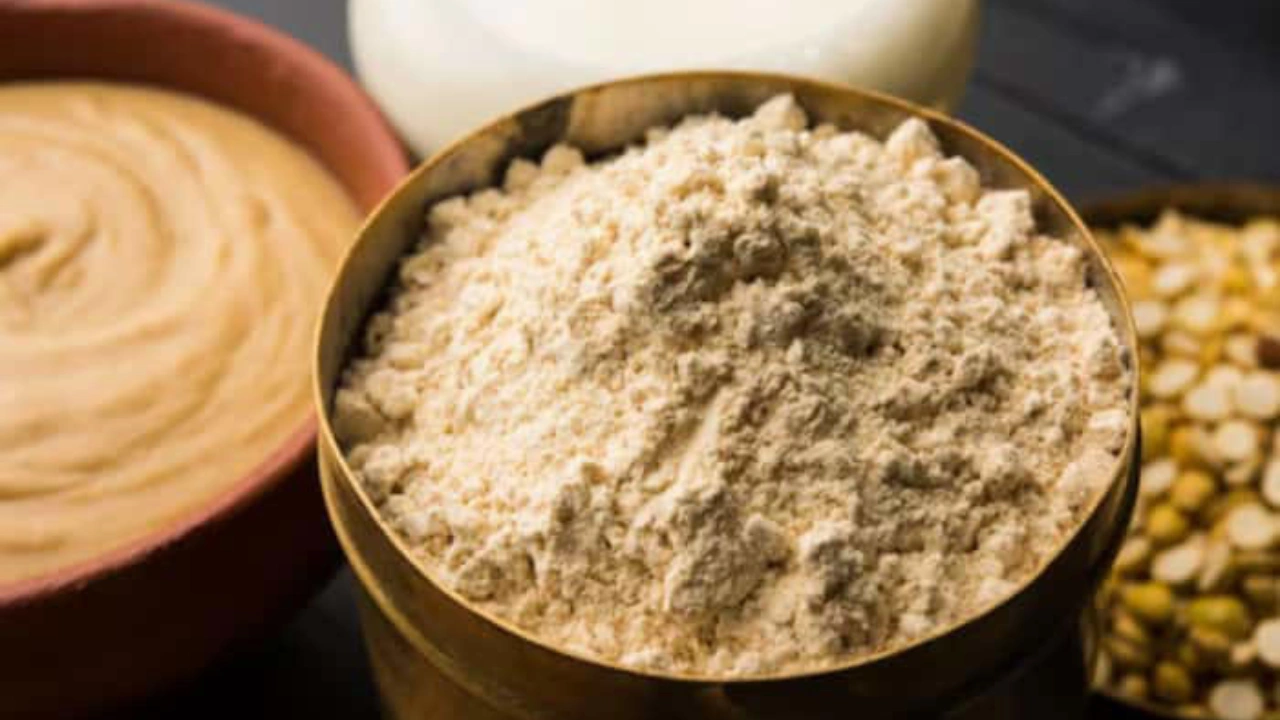
Sattu, a traditional Indian superfood made from roasted gram (chana), has been consumed for centuries, especially in Bihar, Uttar Pradesh, and parts of Madhya Pradesh. Once considered a humble staple, sattu is now gaining attention among nutritionists and fitness enthusiasts for its impressive health profile. But is sattu really a good source of protein? Let’s explore its nutritional value, health benefits, easy recipes, and practical ways to include it in your daily diet.
Is Sattu a Good Source of Protein?
Yes, sattu is an excellent plant-based source of protein. Made primarily from roasted Bengal gram, sattu contains approximately 20–22 grams of protein per 100 grams, making it a strong contender among vegetarian protein foods. Unlike refined protein powders, sattu is natural, minimally processed, and also rich in fiber, iron, calcium, magnesium, and B vitamins.
The protein in sattu is especially beneficial for vegetarians and vegans, as it helps support muscle repair, energy levels, and overall metabolic health. Additionally, sattu has a low glycaemic index, meaning it releases energy slowly and keeps you full for longer.
Health Benefits of Sattu
1. Supports Muscle and Energy Levels
Thanks to its high protein and complex carbohydrate content, sattu provides sustained energy. This makes it ideal for people who work long hours, athletes, and those looking to improve muscle recovery naturally.
2. Aids Digestion and Gut Health
Sattu is rich in dietary fiber, which promotes healthy digestion, prevents constipation, and supports gut health. It is often recommended during summer months because it is easy on the stomach.
3. Helps in Weight Management
Because sattu keeps you full for a long time, it helps reduce unnecessary snacking. Including sattu in your meals may support weight loss by controlling hunger and stabilizing blood sugar levels.
4. Good for Heart Health
Sattu contains magnesium and potassium, which help regulate blood pressure and support heart health. Its low-fat and cholesterol-free nature further adds to its cardiovascular benefits.
5. Natural Body Cooler
Traditionally consumed as a drink, sattu is known for its cooling properties. It helps prevent dehydration, heat exhaustion, and fatigue, especially in hot climates.
Healthy Sattu Recipes to Try
1. Sattu Drink (Classic Sattu Sharbat)
Mix 2 tablespoons of sattu flour in a glass of cold water. Add a pinch of salt, lemon juice, and roasted cumin powder. Stir well and enjoy a refreshing protein-rich drink.
2. Sweet Sattu Drink
For a sweet version, mix sattu with water or milk, add jaggery or honey, and a pinch of cardamom powder. This is a great post-workout or mid-morning option.
3. Sattu Paratha
Combine sattu with chopped onion, green chilli, coriander, garlic, mustard oil, and spices. Use this mixture as a stuffing for parathas. It makes for a nutritious and filling breakfast.
4. Sattu Ladoo
Mix sattu with ghee, powdered jaggery, and dry fruits. Shape into ladoos for a healthy homemade snack.
How to Include Sattu in Your Daily Diet
-
Start your day with a sattu drink for instant energy.
-
Use sattu as a protein booster in smoothies or buttermilk.
-
Replace refined flour snacks with sattu-based snacks.
-
Include sattu parathas or chillas in breakfast or lunch.
-
Consume it 30–45 minutes before workouts for sustained energy.
Sattu is undoubtedly a good source of protein and much more. Affordable, versatile, and deeply rooted in Indian tradition, it offers a perfect balance of nutrition and taste. Whether your goal is muscle building, weight management, better digestion, or simply eating clean, sattu deserves a place in your daily diet. With its growing popularity and science-backed benefits, this ancient food is truly a modern-day superfood.
About the Author